March Writing Journal Prompts give young students meaningful opportunities to practice writing while connecting to familiar spring and St. Patrick’s Day themes. At this stage, students are still developing confidence, so structured prompts with clear sentence starters and visual support help writing feel manageable and successful.
Seasonal topics like rainbows, windy days, books, and leprechauns naturally spark ideas and make students more willing to write. With consistent daily practice, students begin to form sentences more easily, expand their vocabulary, and develop confidence in expressing their thoughts.
These March writing journal prompts provide a simple and effective way to support writing development throughout the month.
Free March Writing Journal Prompts Sample
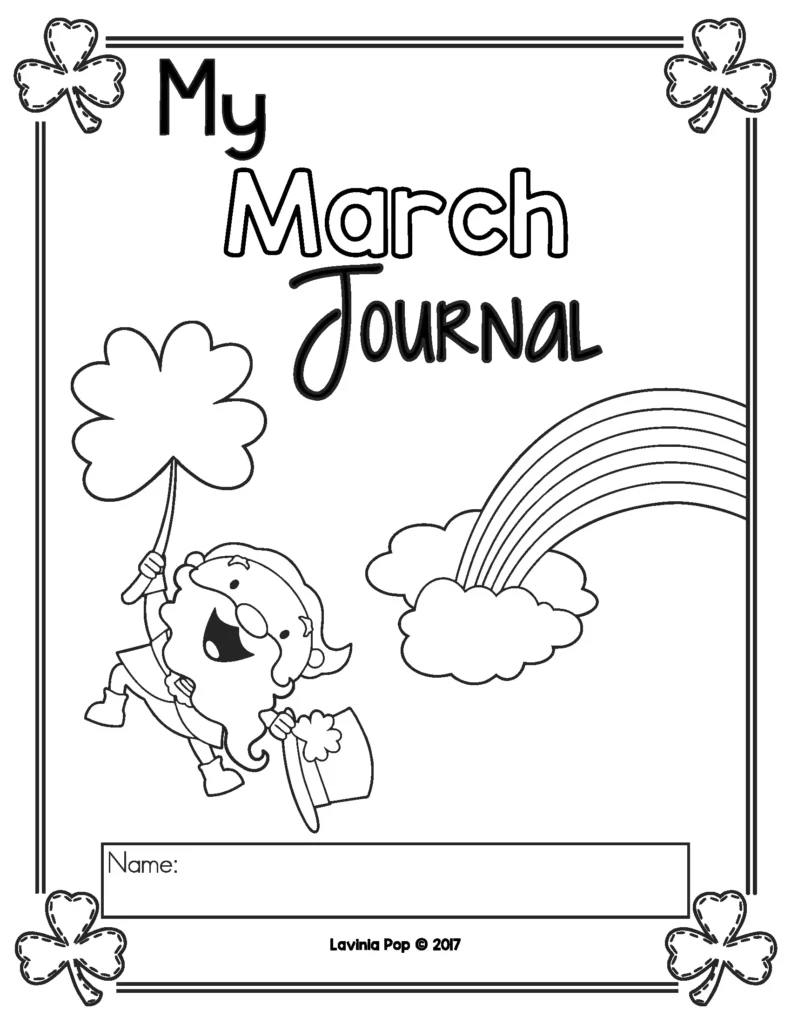
You can download a free sample of the March Writing Journal Prompts to see how the pages support beginning writers and build confidence.
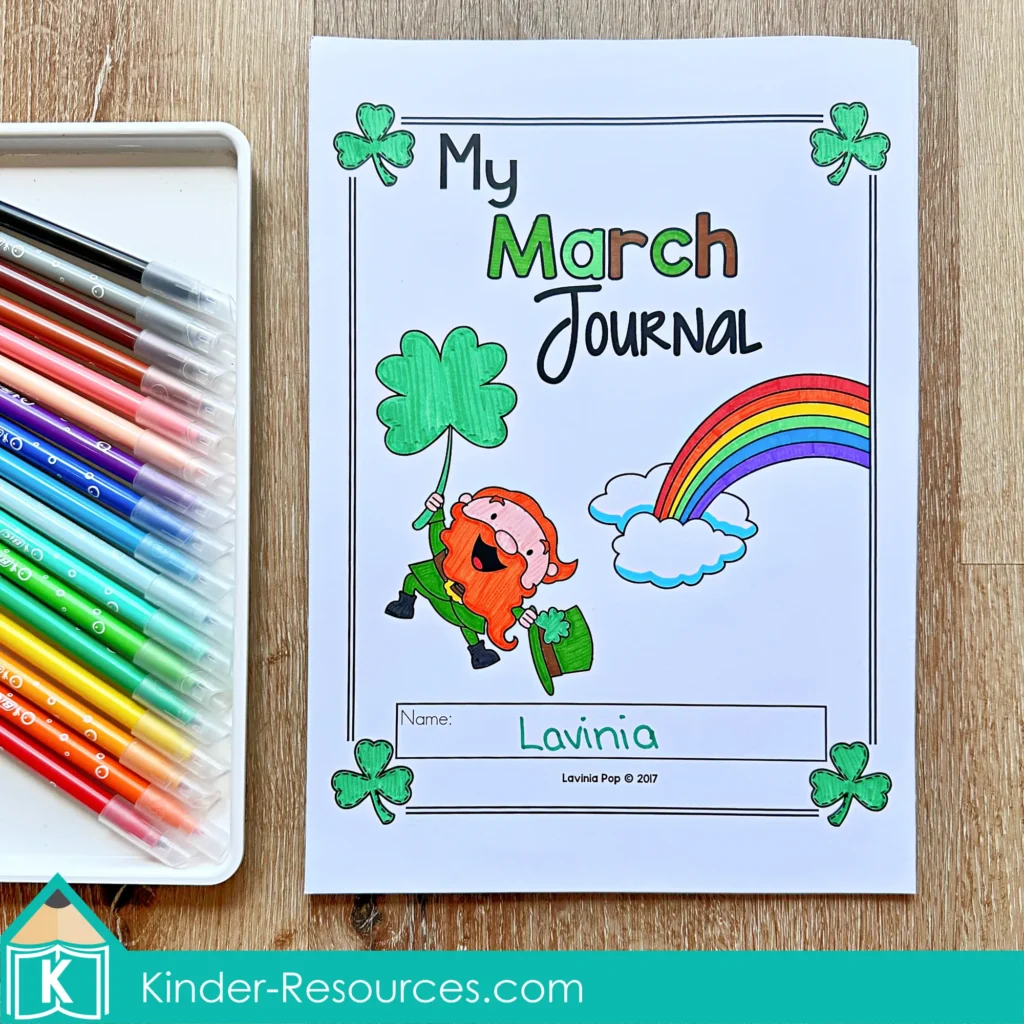
The free sample includes selected pages that allow students to practice drawing, labeling, and writing simple sentences using engaging spring and March themes. These pages work well for writing journals, literacy centers, or morning work.
Download the free sample below. This gives you an easy way to try the prompts and see how they support student writing before using the full journal.

Why March Writing Journal Prompts Support Early Writers
Young writers benefit from consistent, predictable opportunities to write. March writing journal prompts provide this structure while still allowing creativity.
These prompts help students:
- Practice forming complete sentences
- Build vocabulary related to spring and seasonal themes
- Learn different types of writing such as opinion, narrative, and procedural writing
- Develop writing stamina through regular practice
- Gain confidence expressing their ideas
Because the prompts vary in format, students are exposed to multiple writing styles without feeling overwhelmed.
Types of March Writing Journal Prompts Included
A strong March writing journal includes a range of prompt types so students can gradually build skills.
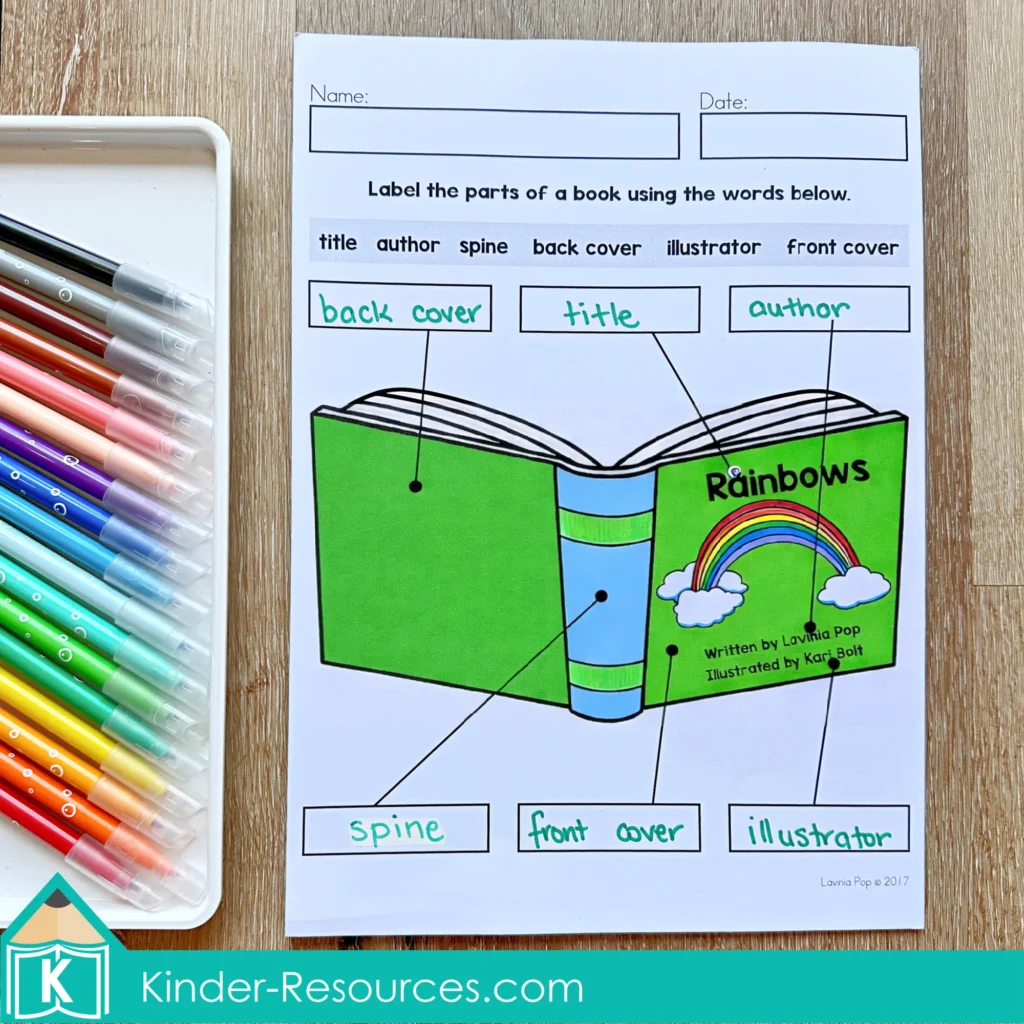
Draw and Label Prompts
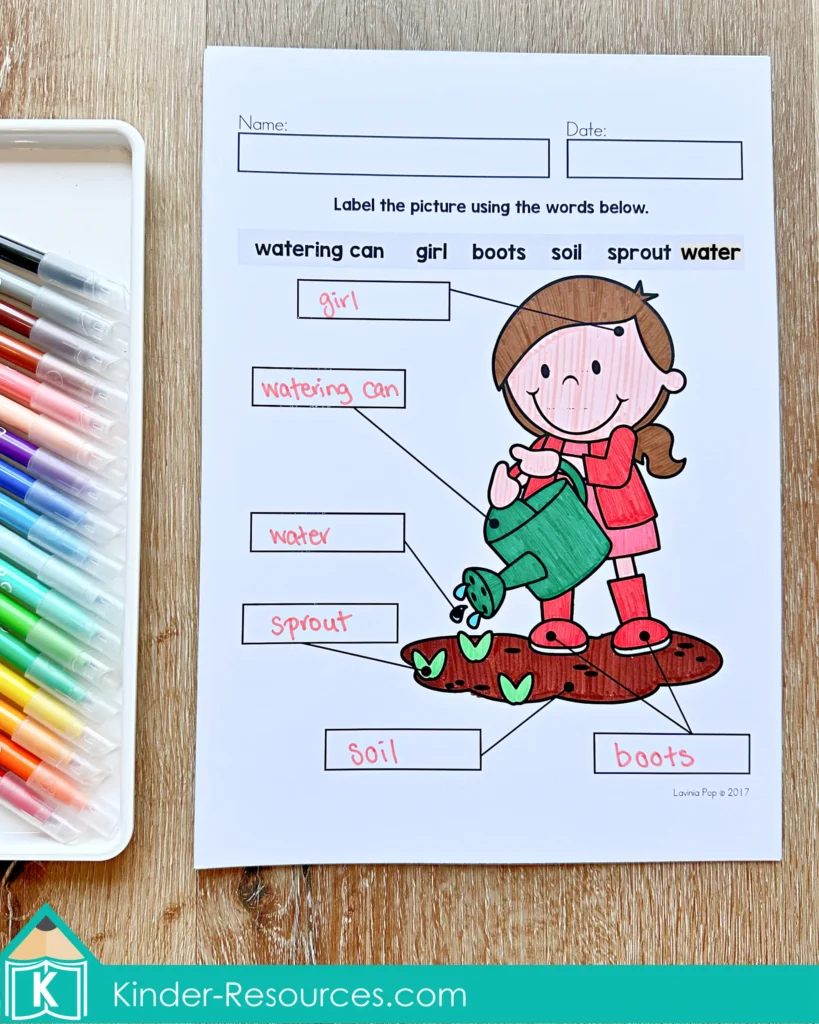
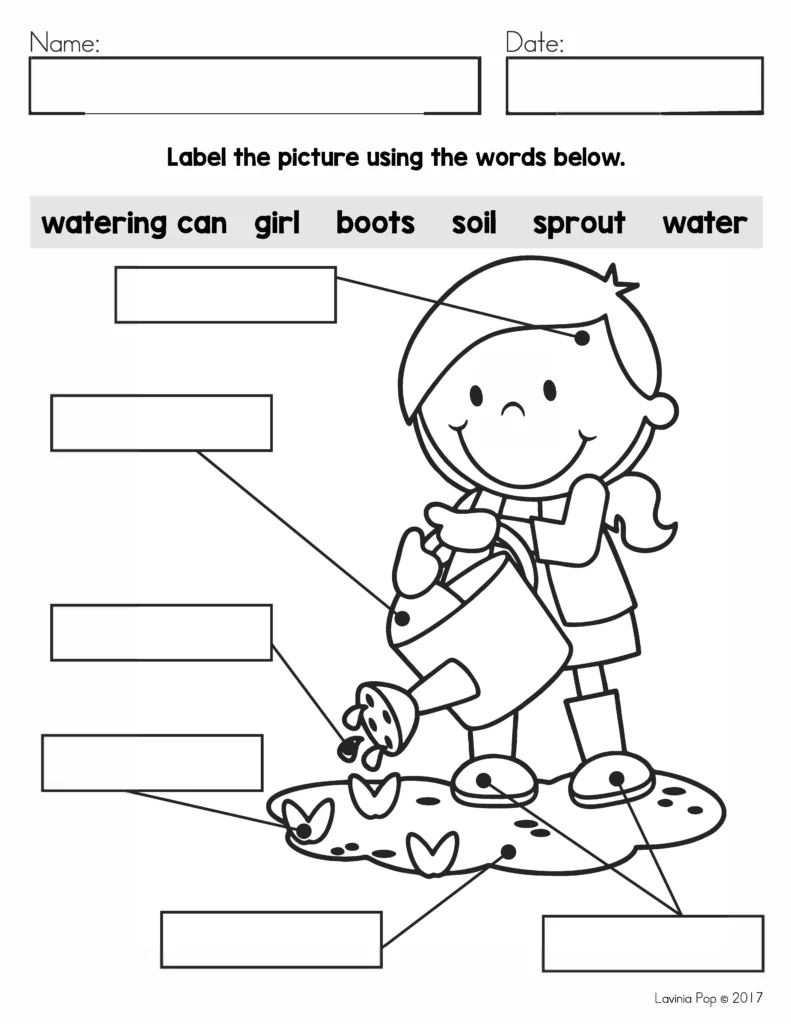
Draw and label pages are ideal for beginning writers. Students combine drawing with simple labeling, which reduces pressure while reinforcing vocabulary.
Examples include:
- Girl watering plants
- Leprechaun sliding down rainbow
- Parts of a book
These pages help bridge the gap between drawing and full sentence writing.
List Writing Prompts
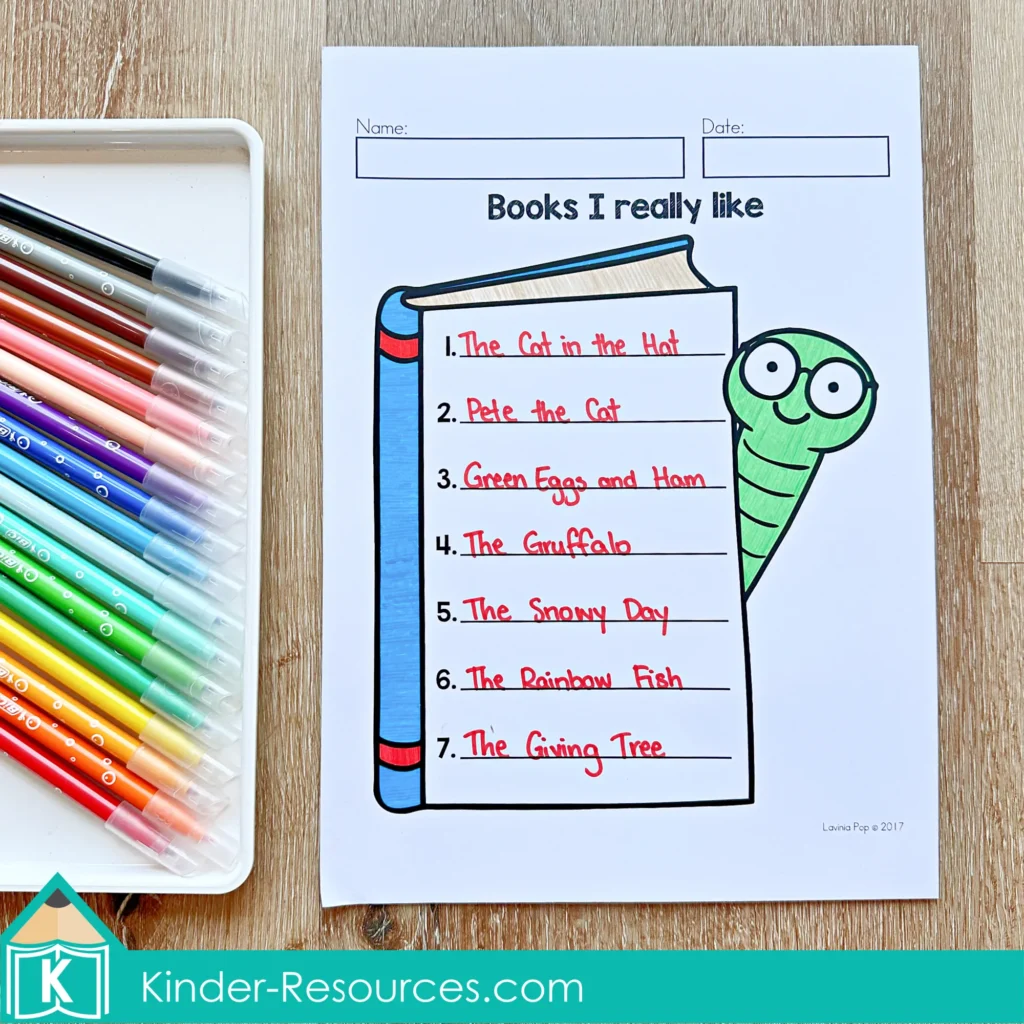
List writing helps students generate ideas without worrying about sentence structure at first.
Examples include:
- Things you can do on a windy day
- Things that are green
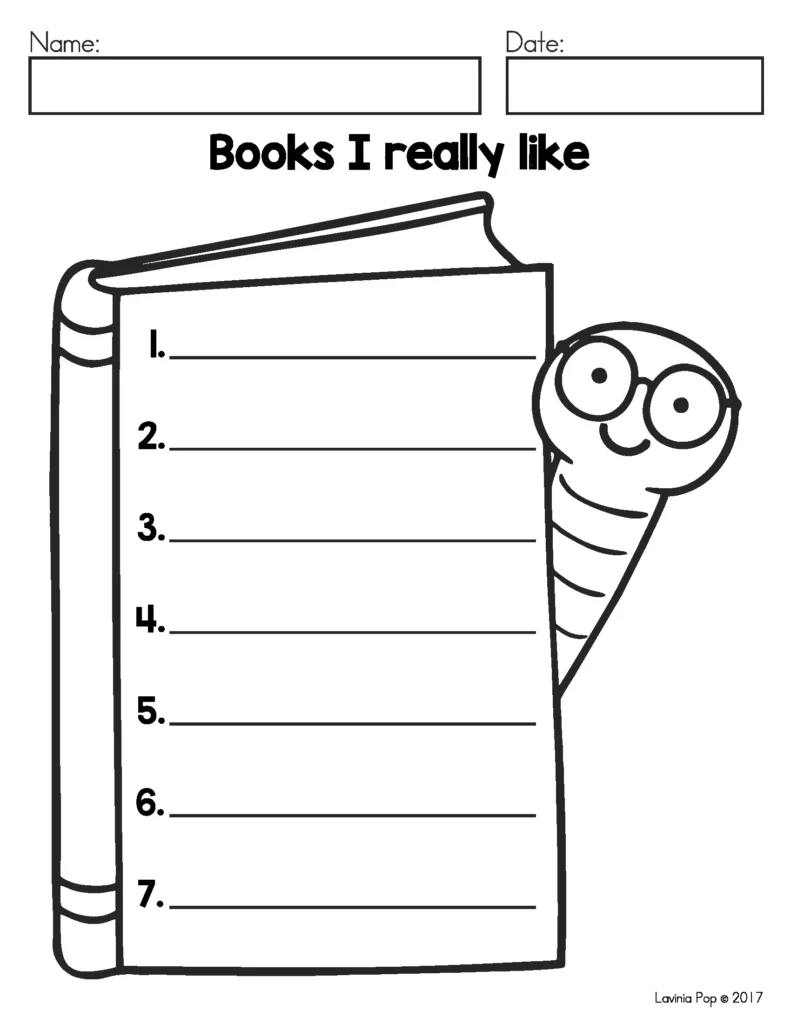
- Books I really like
This format supports vocabulary development and idea generation.
How To Writing Prompts
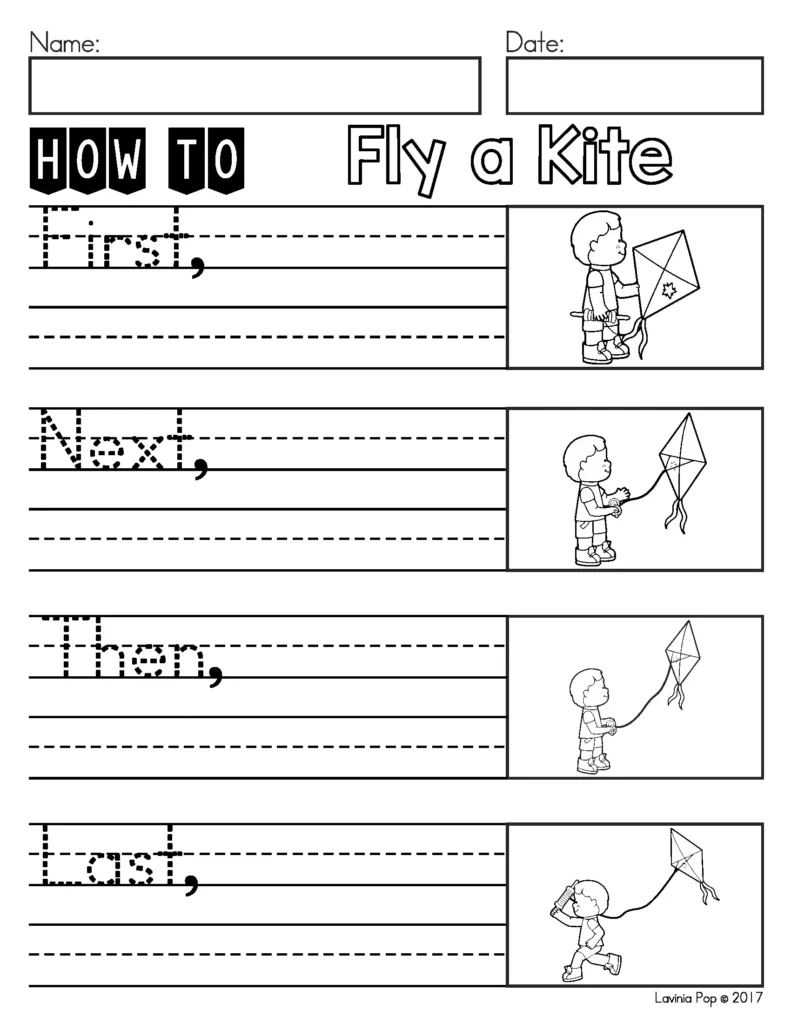
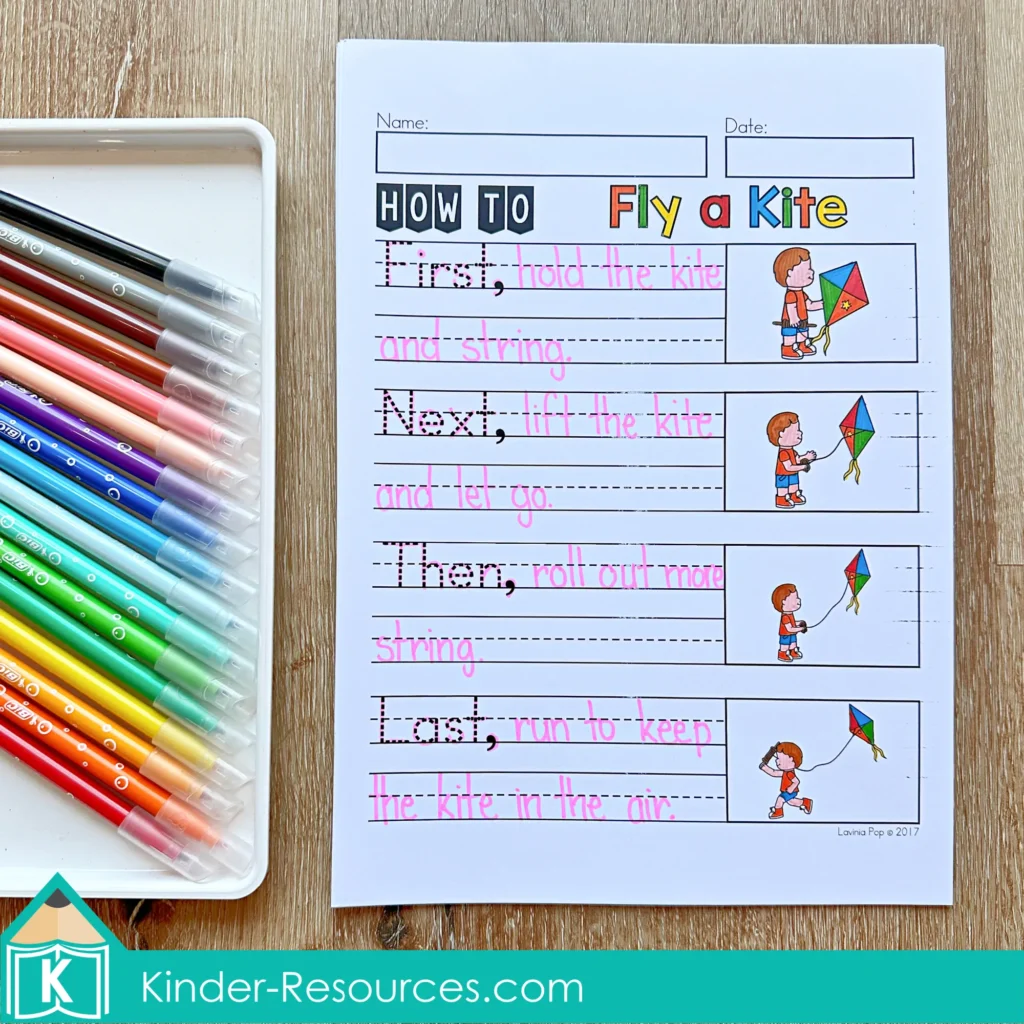
Procedural writing teaches students to explain steps in order. This builds sequencing and logical thinking.
Examples include:
- How To Fly a Kite
- How To Catch or Trap a Leprechaun
- How To Read a Book
Some pages include picture support, which helps students organize their thoughts.
Picture Supported Writing Prompts
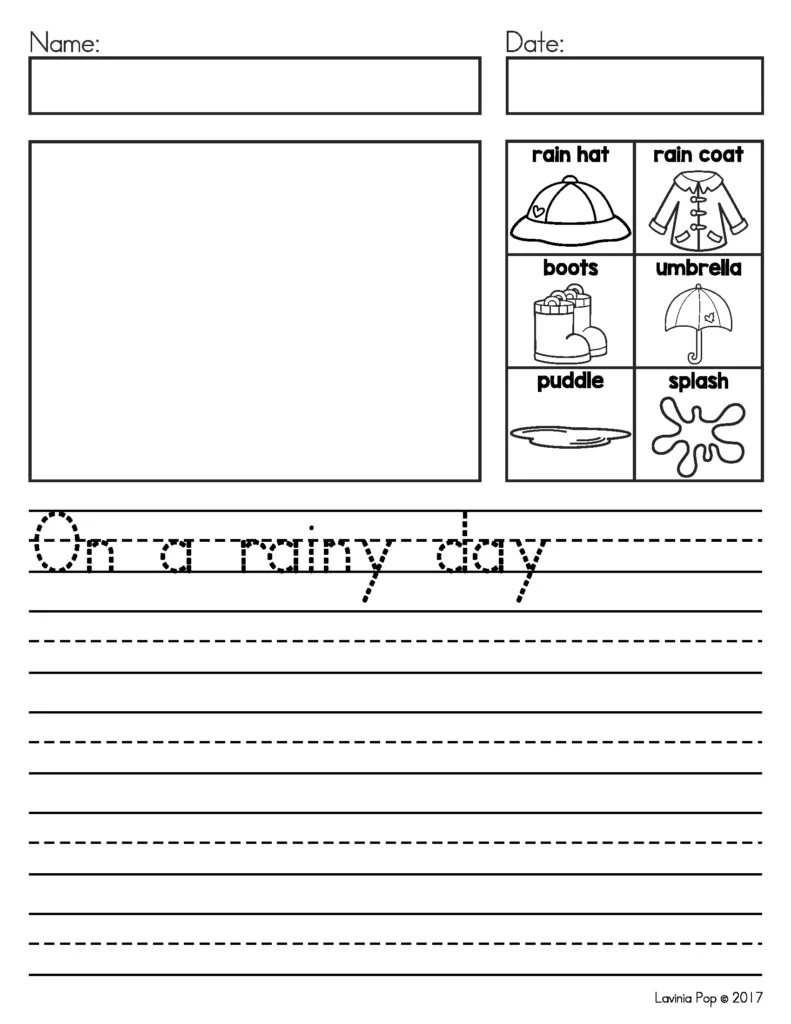
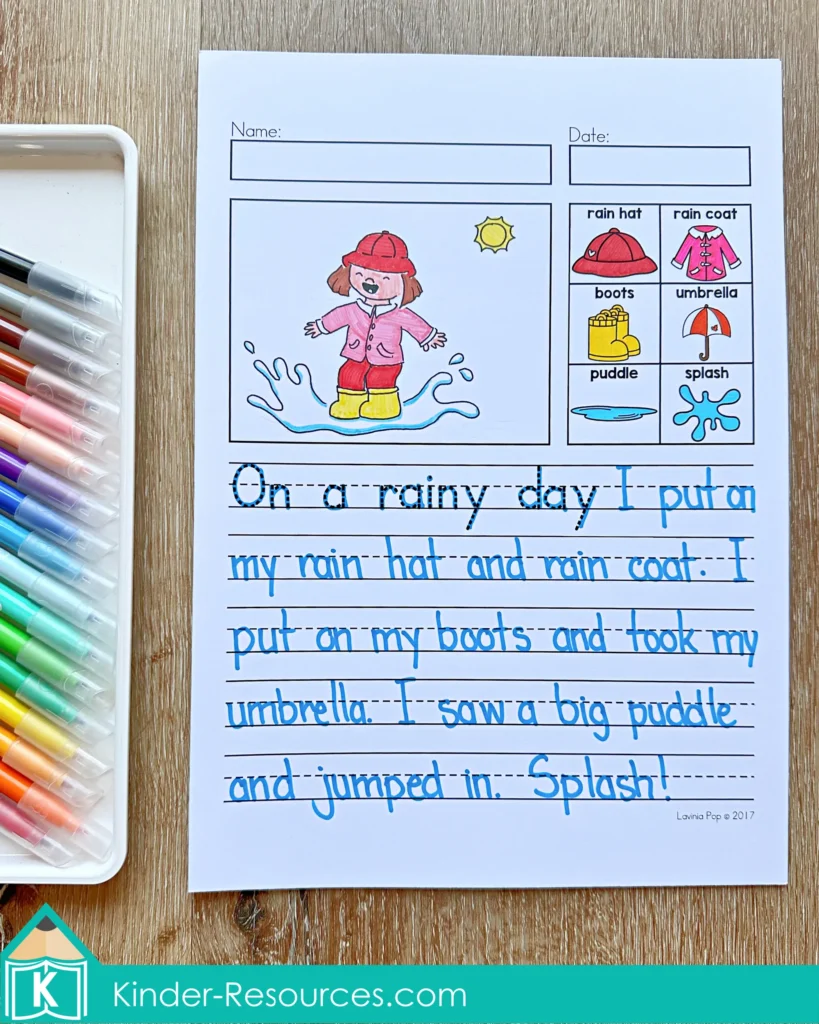
Picture prompts reduce uncertainty and help students generate ideas more easily.
Examples include:
- The weather in spring
- I know spring is here when
- I see rain on the
- On a rainy day
- Rainbows are
- Some green things
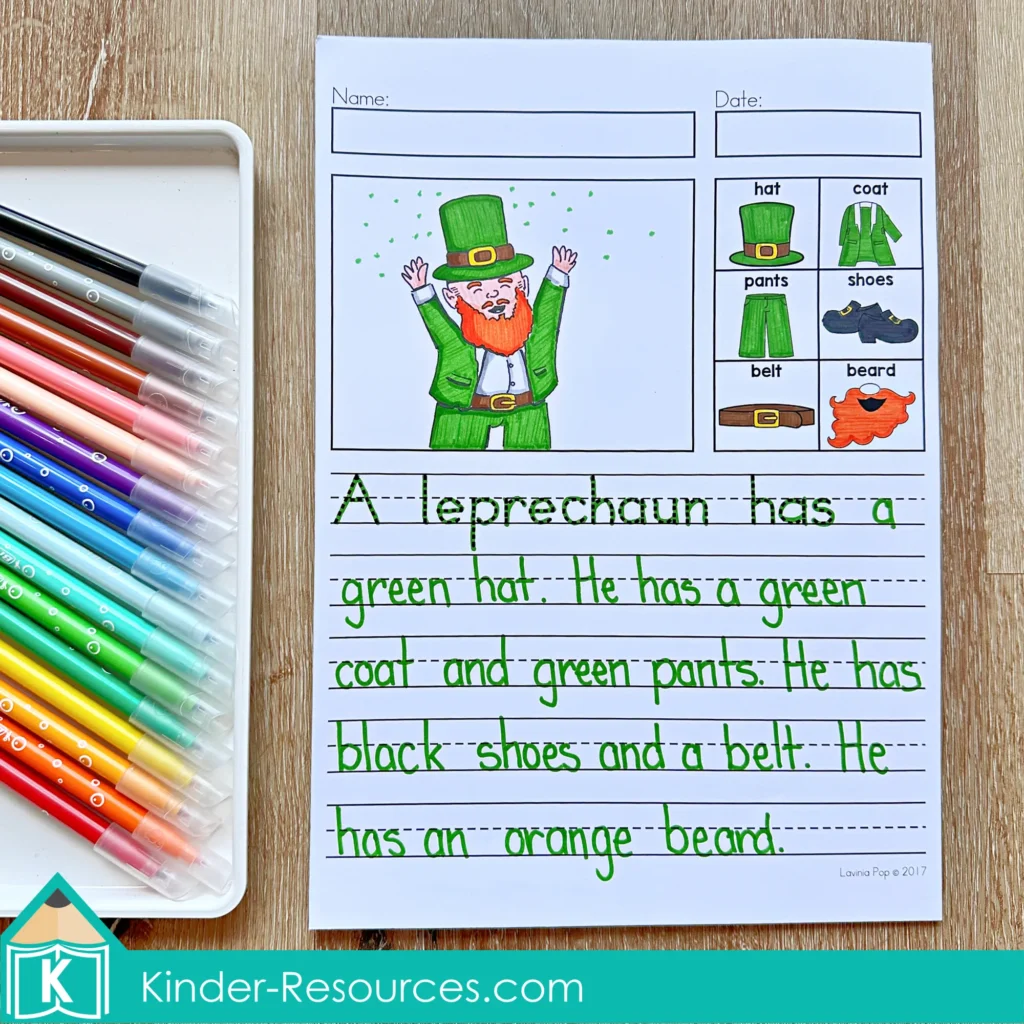
- A leprechaun has
- Some St. Patrick’s Day symbols
- I like to read
- Some places you can read
Students can focus on writing instead of wondering what to write about.
Opinion Writing Prompts
Opinion writing introduces students to expressing preferences and giving reasons.
Examples include:
- I would rather fly a kite or blow bubbles because
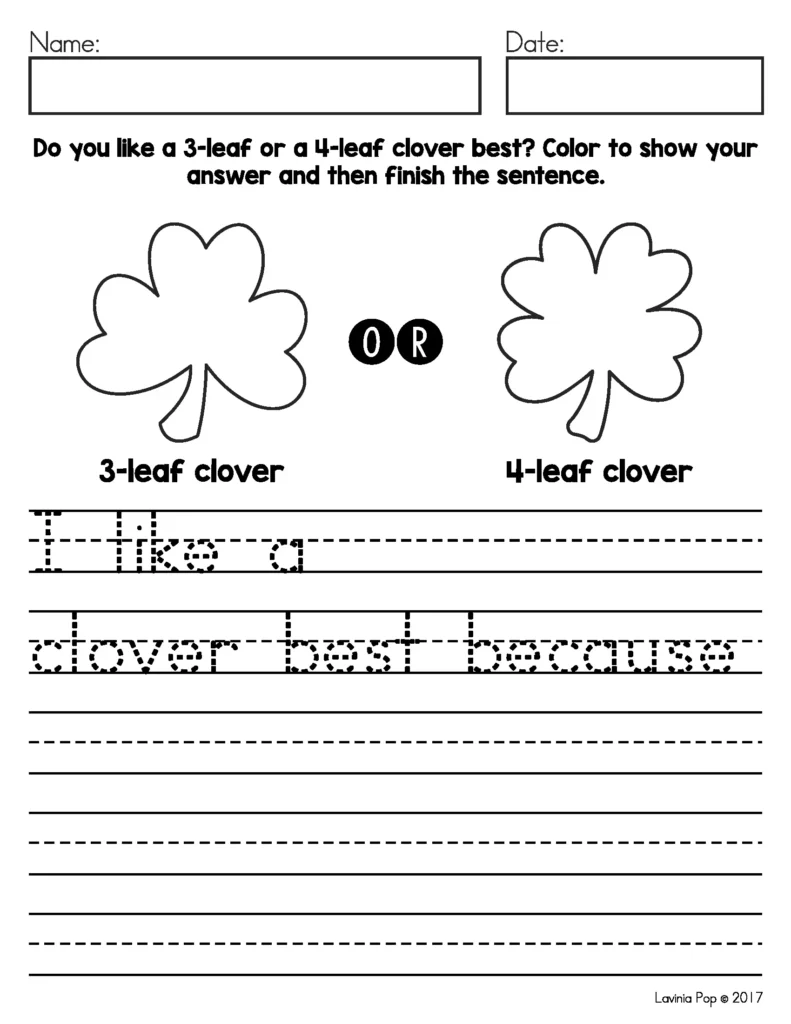
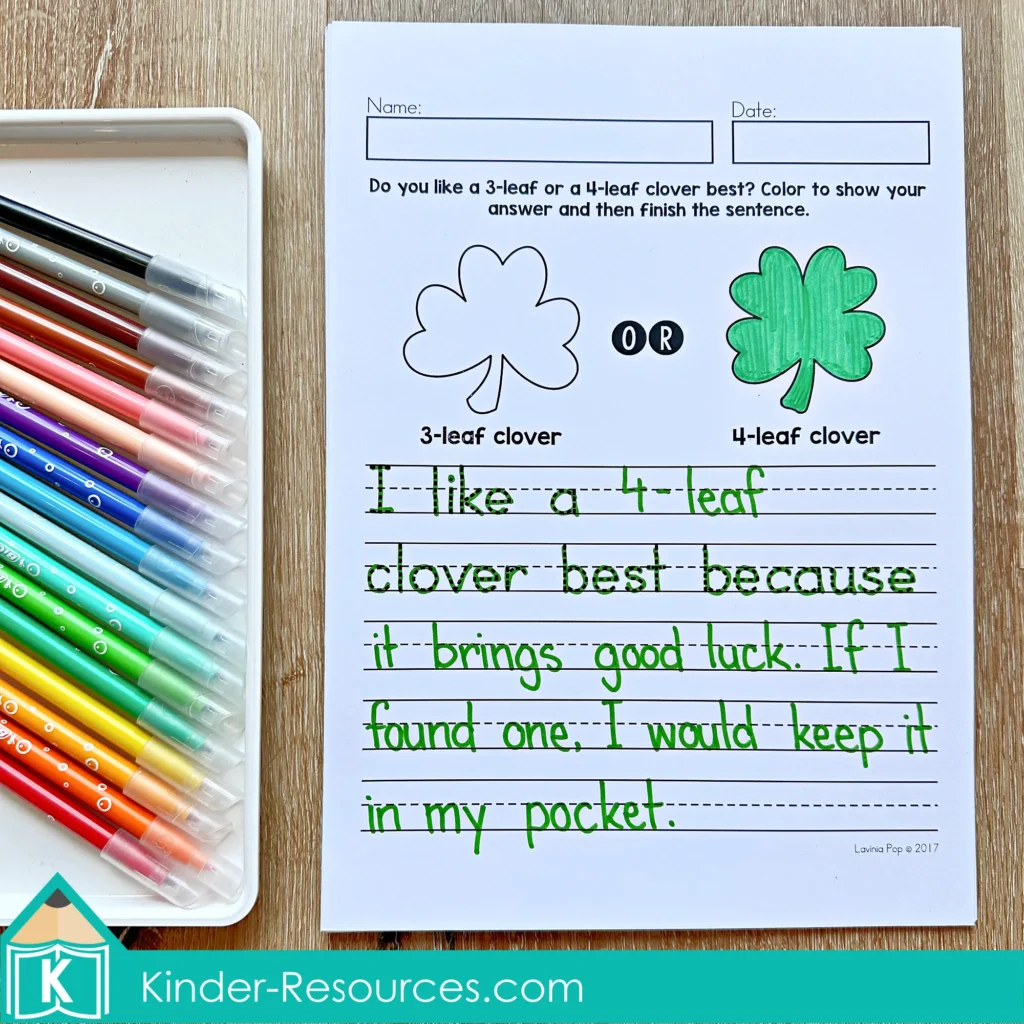
- I like a 3 leaf clover or 4 leaf clover best because
- The best thing about spring is because
- The best thing about spring is… because
- For breakfast on St. Patrick’s Day, I would like to eat… because
- The best place to read a book is… because
These prompts help students learn to support their ideas with simple explanations.
Narrative Writing Prompts
Narrative prompts encourage creativity and storytelling.
Examples include:
- Describing spring (sentence writing)
- Write a sentence to match the picture (girl feeding ducks and ducklings)
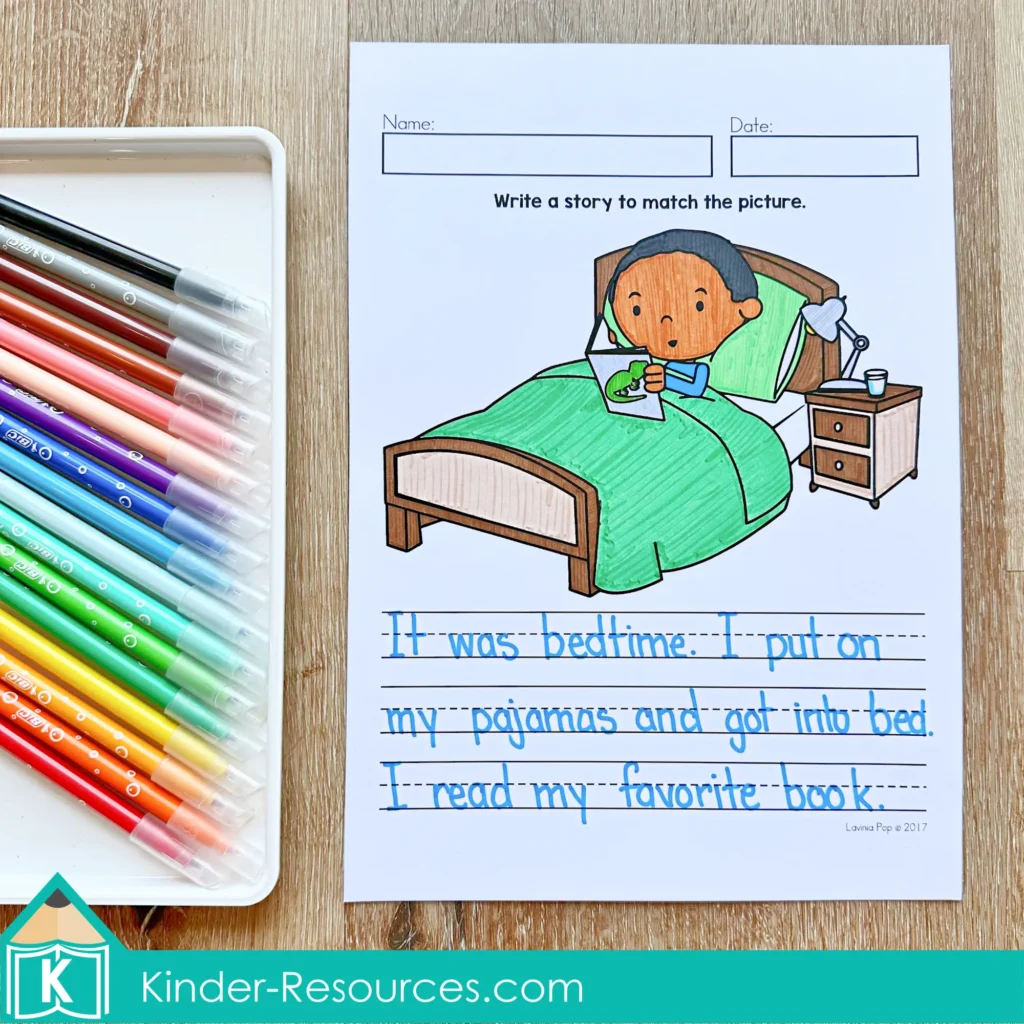
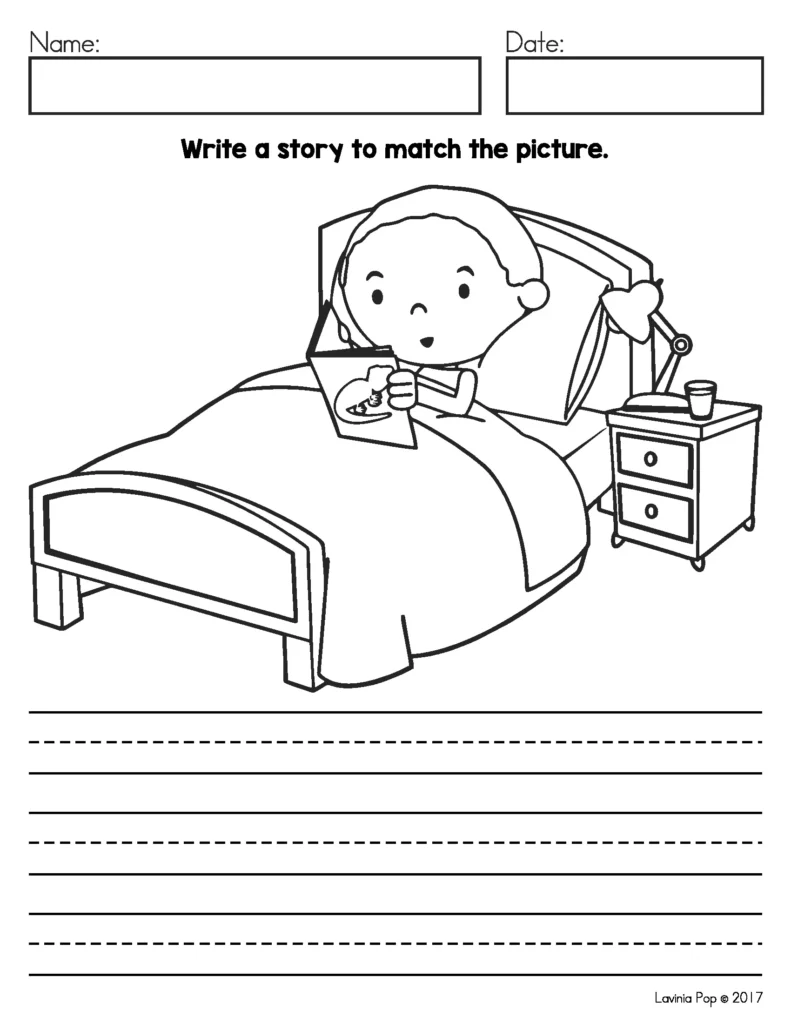
- Write a story to match the picture (boy reading a book in bed)
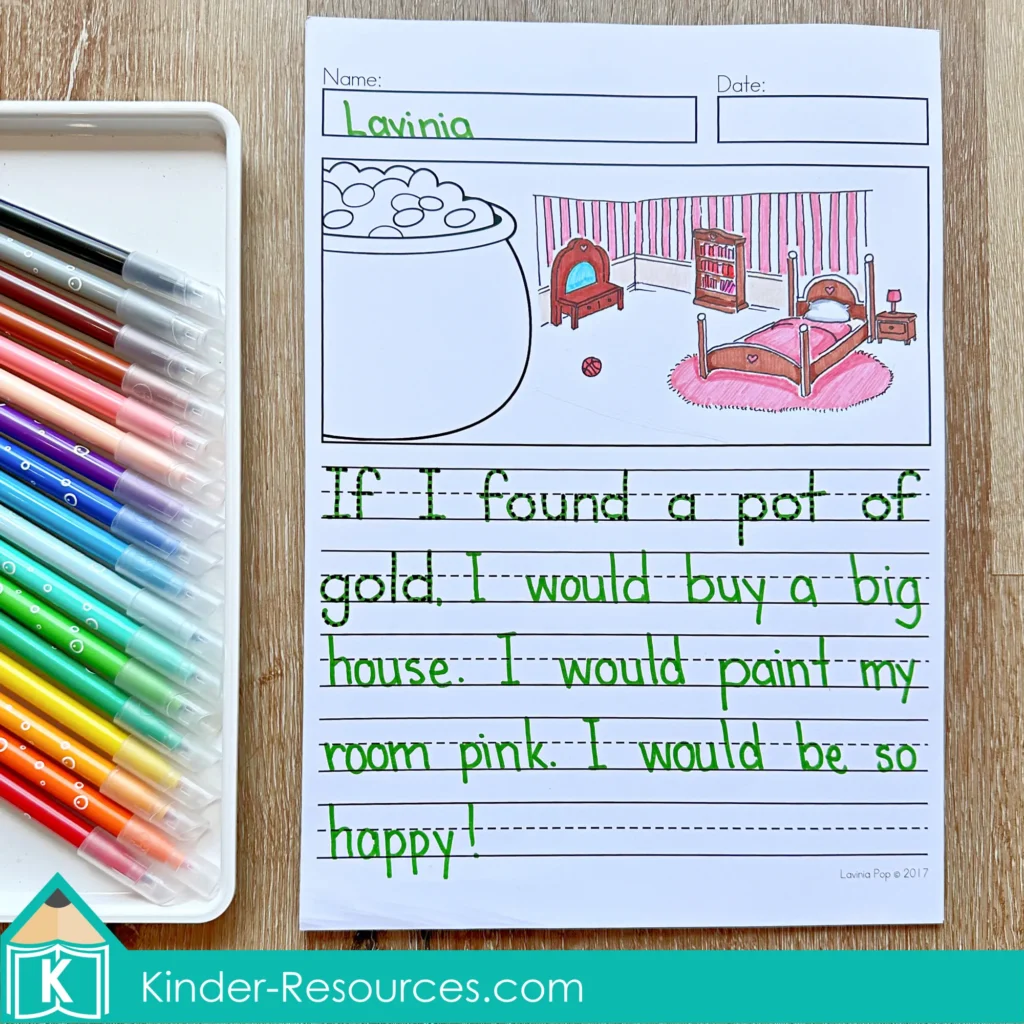
- Write a story to match the picture (leprechaun in pot of gold)
- If I were a kite on a windy day
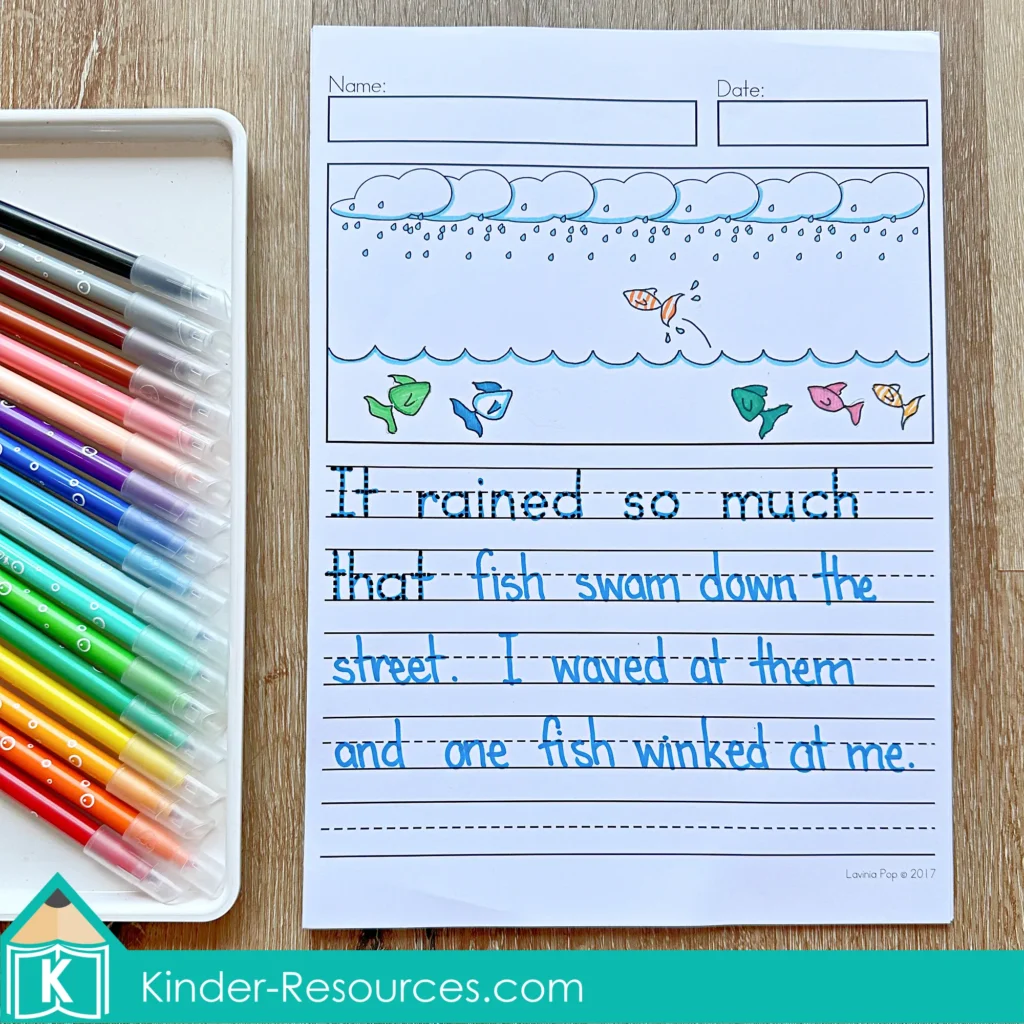
- It rained so much that
- If I found a pot of gold
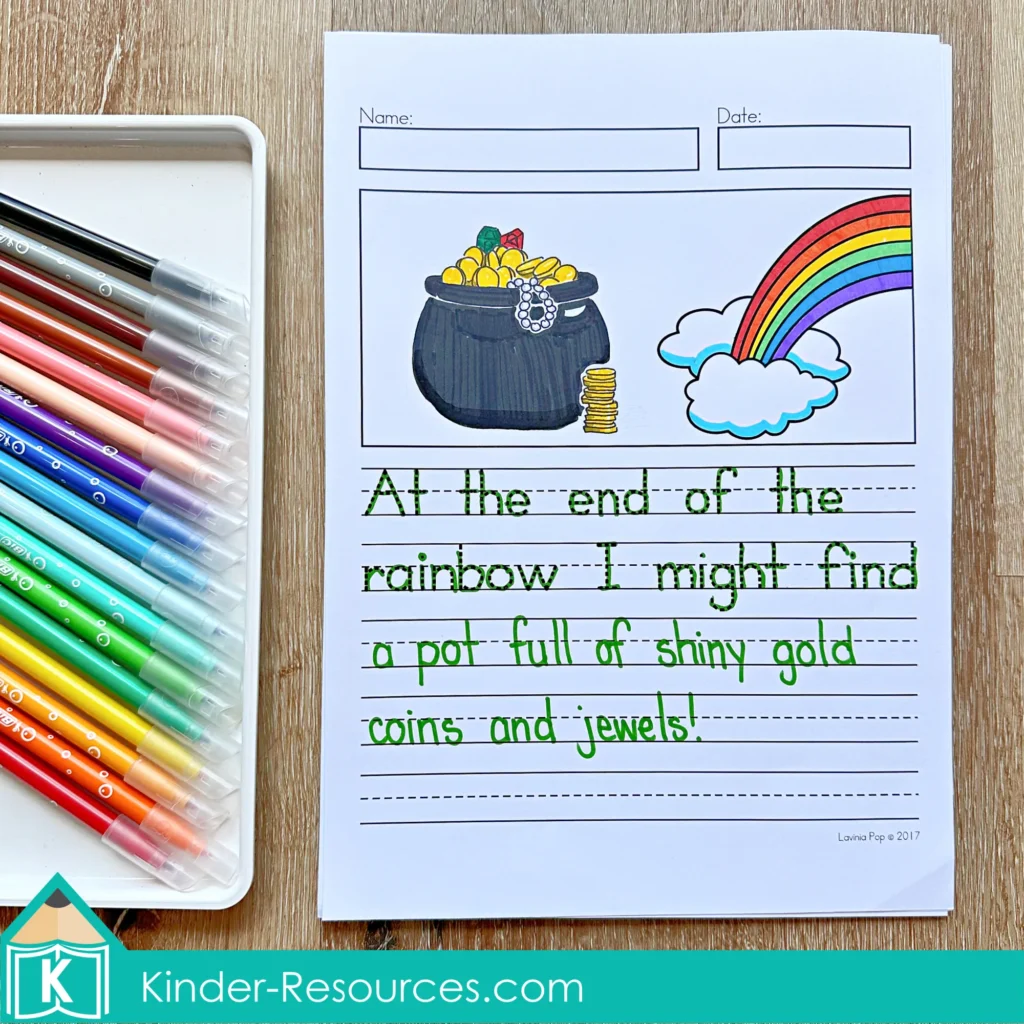
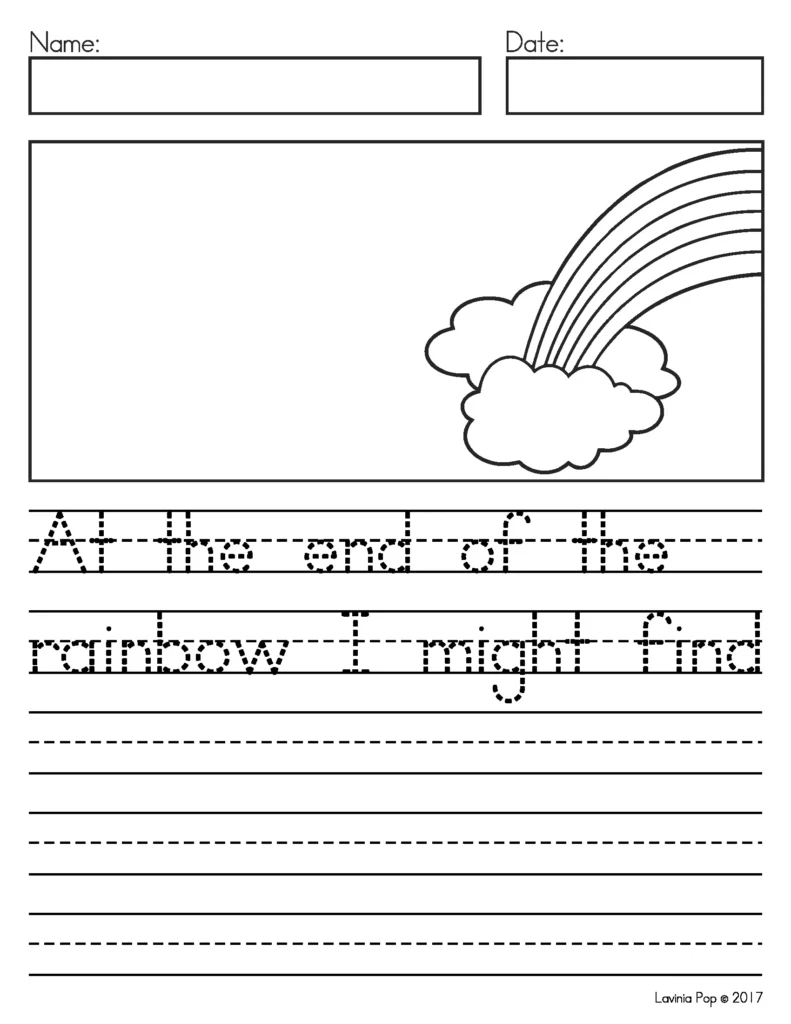
- At the end of the rainbow I might find
- I opened my book and started to read when all of a sudden the character jumped off the page and
These prompts allow students to use imagination while practicing sentence structure.
Poetry and Letter Writing
Including different formats keeps writing interesting.
Students can complete:
- A March acrostic poem
- A letter to their favorite author
These activities expose students to different types of written expression.
How to Use March Writing Journal Prompts in the Classroom or at Home
March writing journal prompts can be used flexibly depending on your routine.
They work well for:
- Daily writing journals
- Morning work
- Literacy centers
- Independent writing time
- Small group instruction
- Early finisher activities
Some students may complete one page per day, while others may work at a slower pace.
Tip: Allow Drawing Before Writing
Drawing helps students organize their ideas. When students draw first, they often write more detailed sentences afterward.
Encourage students to:
- Draw their idea
- Talk about their picture
- Then write their sentence
This sequence makes writing easier and more successful.
Tip: Support Different Ability Levels
Students develop writing skills at different speeds. March writing journal prompts allow easy differentiation.
You can:
- Allow beginning writers to label pictures or write one sentence
- Encourage more advanced writers to write multiple sentences
- Use handwriting lines pages for extra support
This flexibility helps all students participate successfully.
Troubleshooting Tips
If students struggle to start writing:
- Let them talk about their ideas first
- Model a simple example sentence
- Focus on ideas rather than spelling perfection
If students finish quickly:
- Encourage them to add more details
- Ask them to add another sentence
- Let them illustrate their writing further
Age Group Adjustments
Kindergarten
- Focus on drawing, labeling, and simple sentences
- Use picture supported prompts frequently
1st Grade
- Encourage complete sentences
- Introduce opinion and narrative prompts
2nd Grade
- Encourage multiple sentences
- Focus on adding details and explanations
Quick Checklist for Using March Writing Journal Prompts
- Provide consistent writing time
- Allow drawing before writing
- Use a mix of prompt types
- Encourage creativity
- Support students based on their level
- Celebrate student writing
Final Thoughts
March Writing Journal Prompts provide a structured yet flexible way to build writing confidence. With a variety of prompt types and seasonal themes, students can practice essential writing skills while staying engaged and motivated.
Regular writing practice during March helps students develop stronger sentence skills, expand vocabulary, and grow more confident as writers.
Purchase the March Writing Journal Prompts
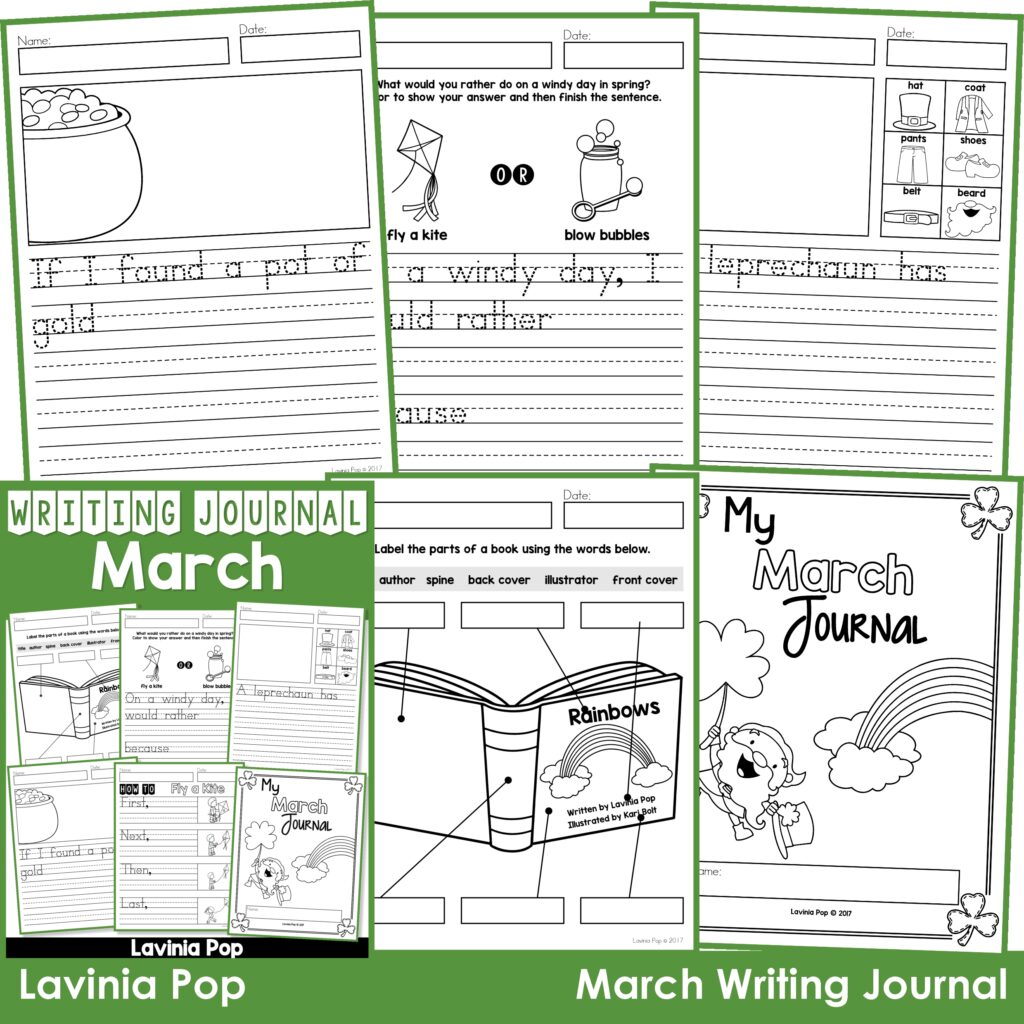
If you want ready to use March Writing Journal Prompts for Kindergarten, 1st Grade, and 2nd Grade, this printable resource includes drawing and labeling, opinion writing, narrative writing, procedural writing, poetry, and letter writing pages.
You can use the pages to create a complete writing journal or select individual prompts for literacy centers and morning work.


You might also like…