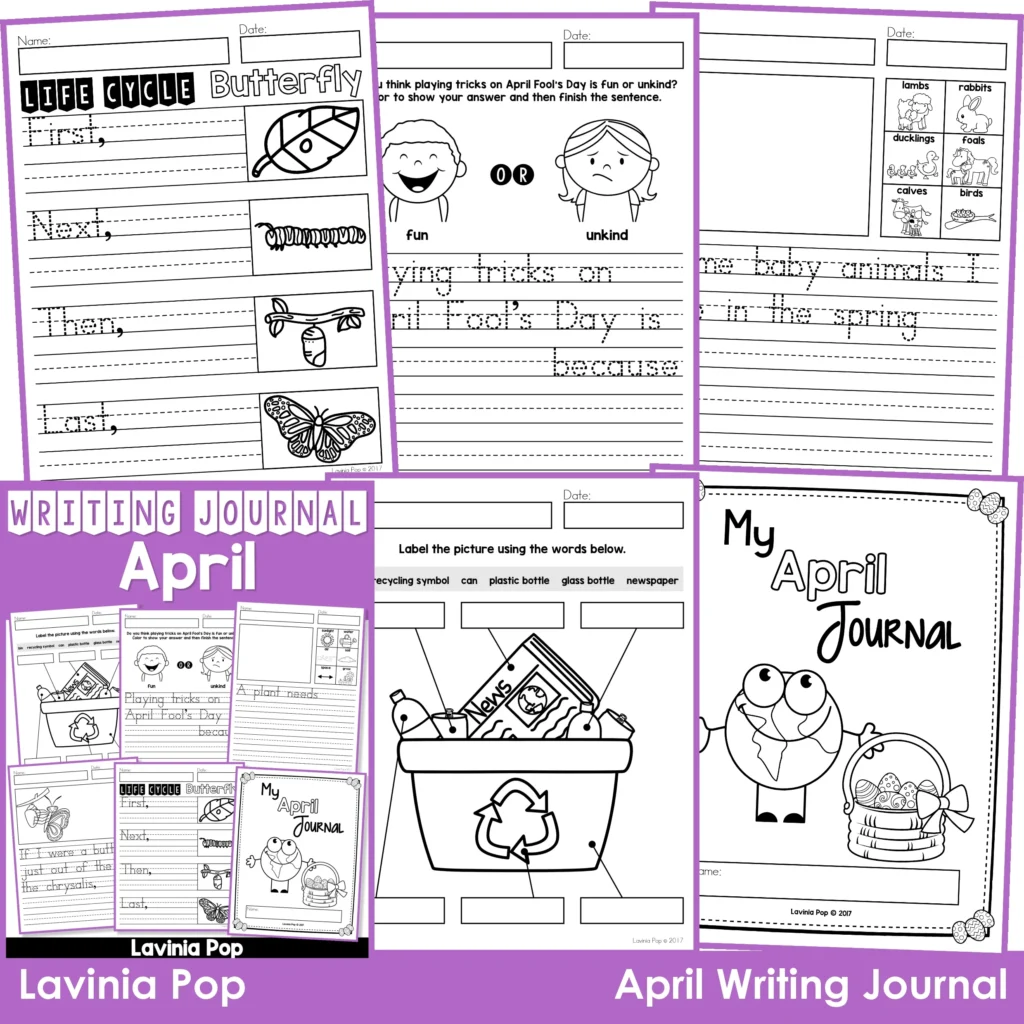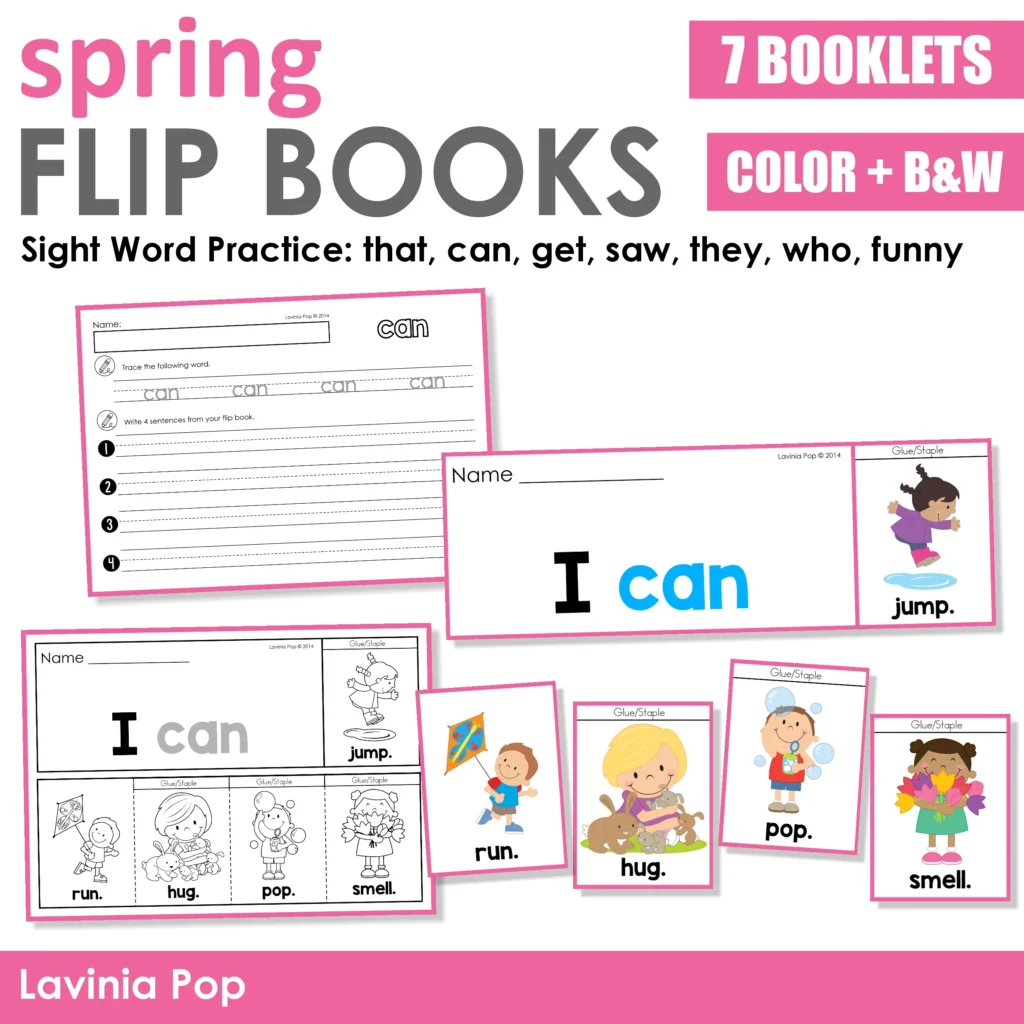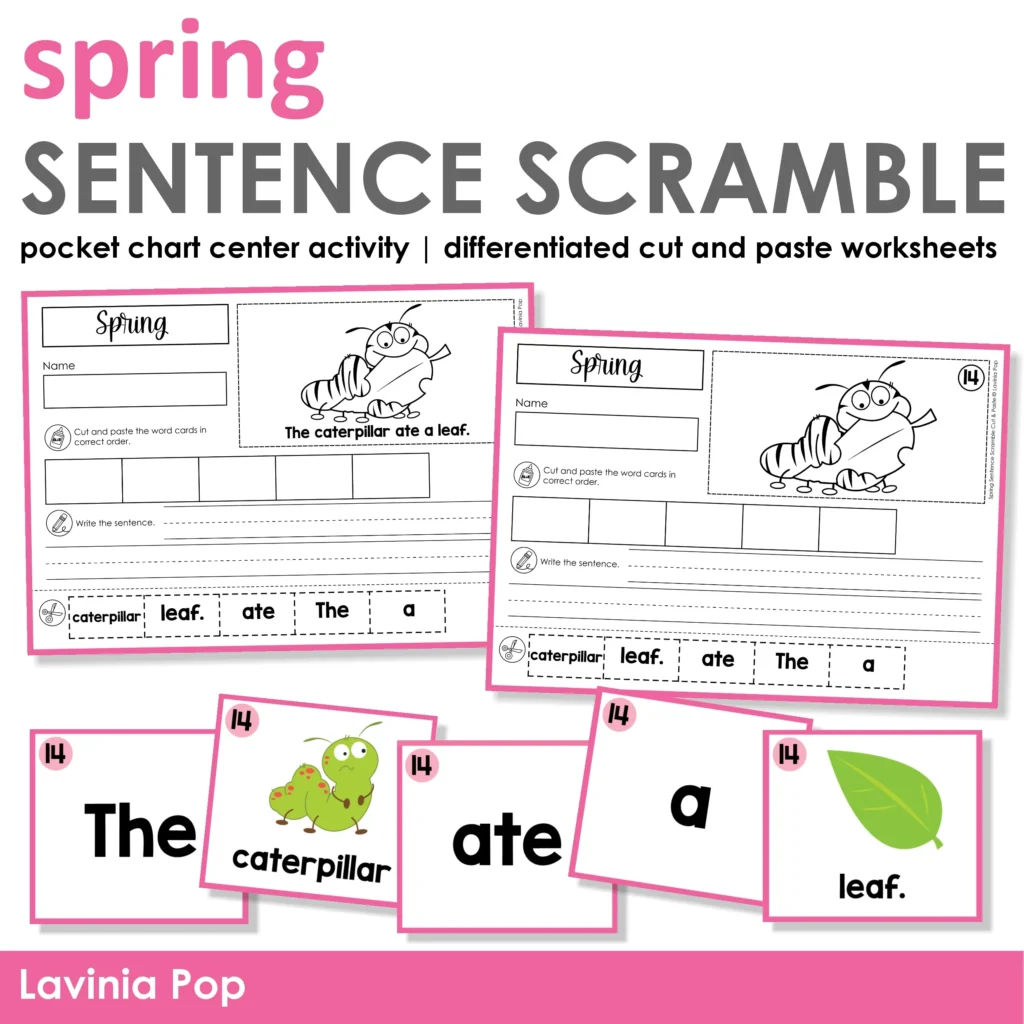
May writing prompts are a simple and effective way to keep young writers engaged as the school year winds down. With familiar themes like Mother’s Day, pets, and spring, children feel more confident sharing their ideas while continuing to build essential writing skills.
If you’re looking for a low prep way to keep writing meaningful and consistent, these May writing prompts will give you structure, variety, and flexibility across the whole month.
FREE May Writing Prompts Sample
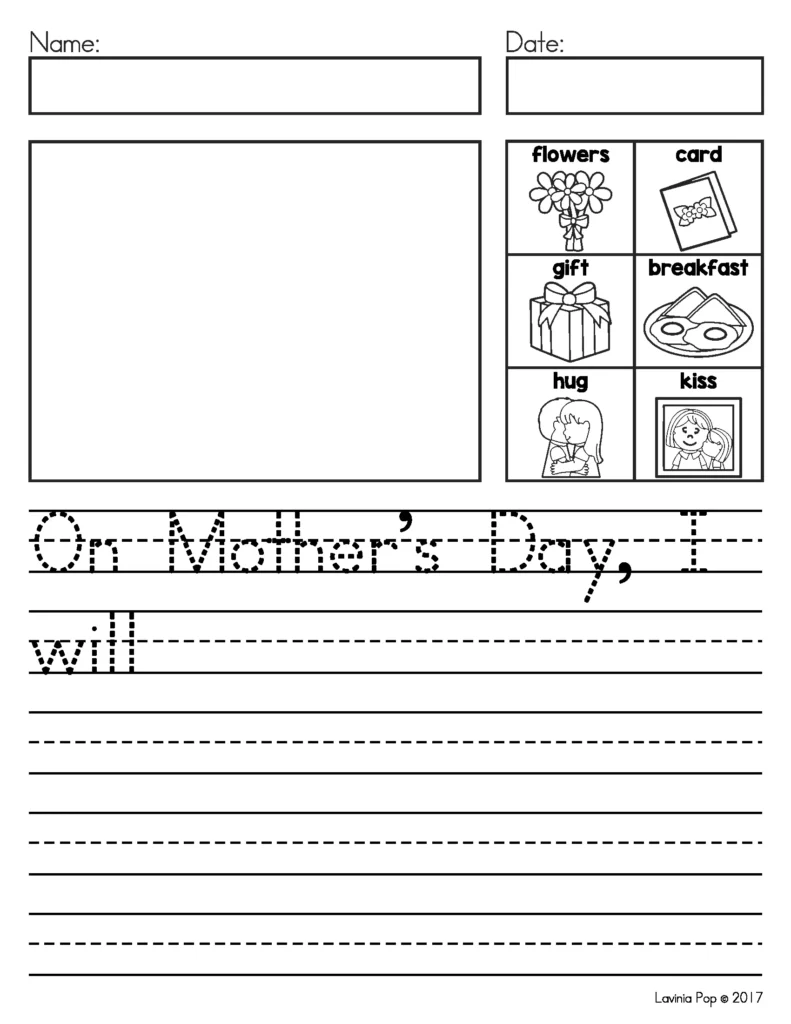
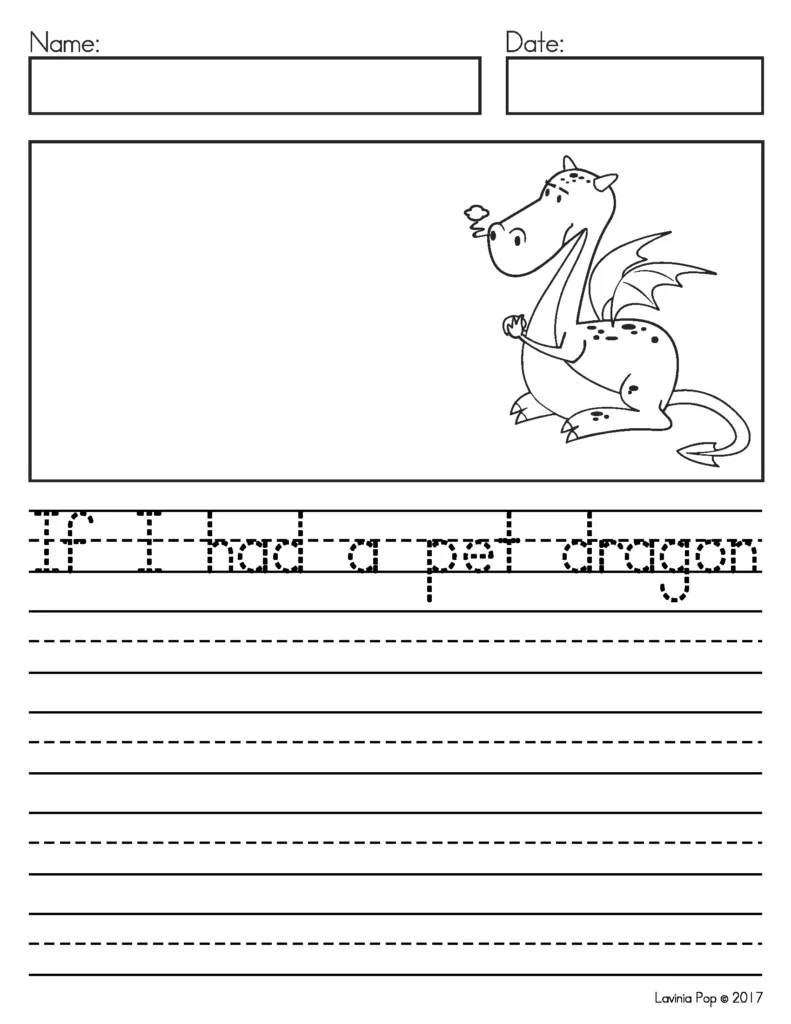
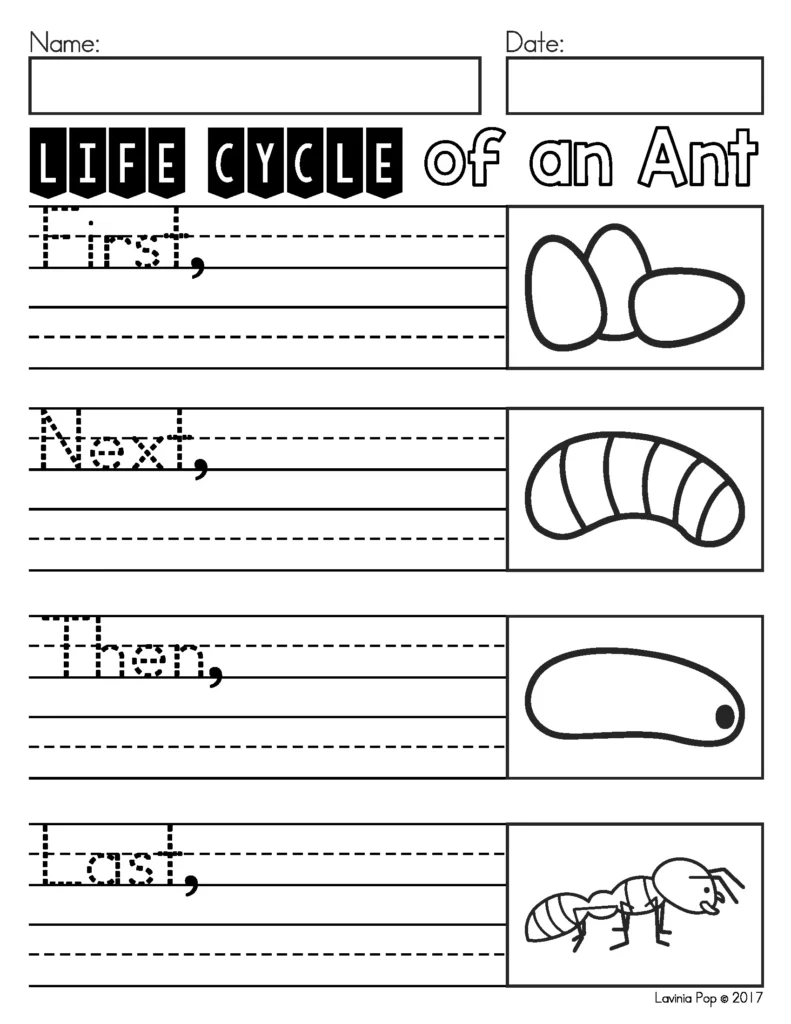
You can try a few pages before committing to the full set. These sample pages include simple sentence starters and picture supported prompts that help young writers get started quickly.

Why Use May Writing Prompts in Kindergarten and First Grade
Writing at this stage is not just about sentences. It is about helping children organize their thoughts, build confidence, and express ideas clearly.
May writing prompts work especially well because:
- Seasonal topics feel familiar and relevant
- Students are more relaxed and willing to write
- You can review and reinforce skills from the entire year
Instead of introducing new concepts, May is the perfect time to practice and strengthen what students already know.
Types of May Writing Prompts Included
One of the biggest benefits of using a structured May writing journal is the variety of writing types included. This helps students practice different skills without needing multiple resources.
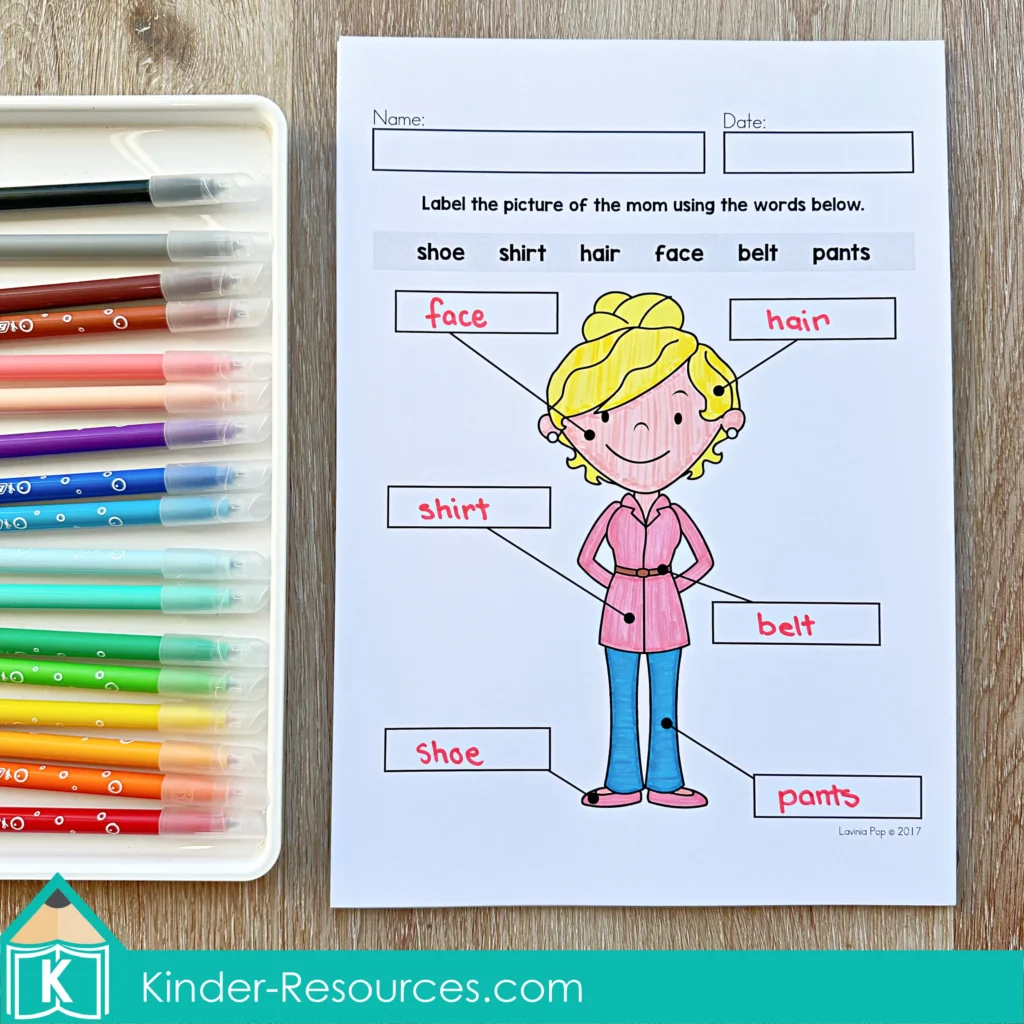
Label Prompts for Beginning Writers
These pages support early writers who are still building confidence.
Students:
- Label key parts
- Begin connecting words with meaning
This is especially helpful for Kindergarten students and struggling writers.
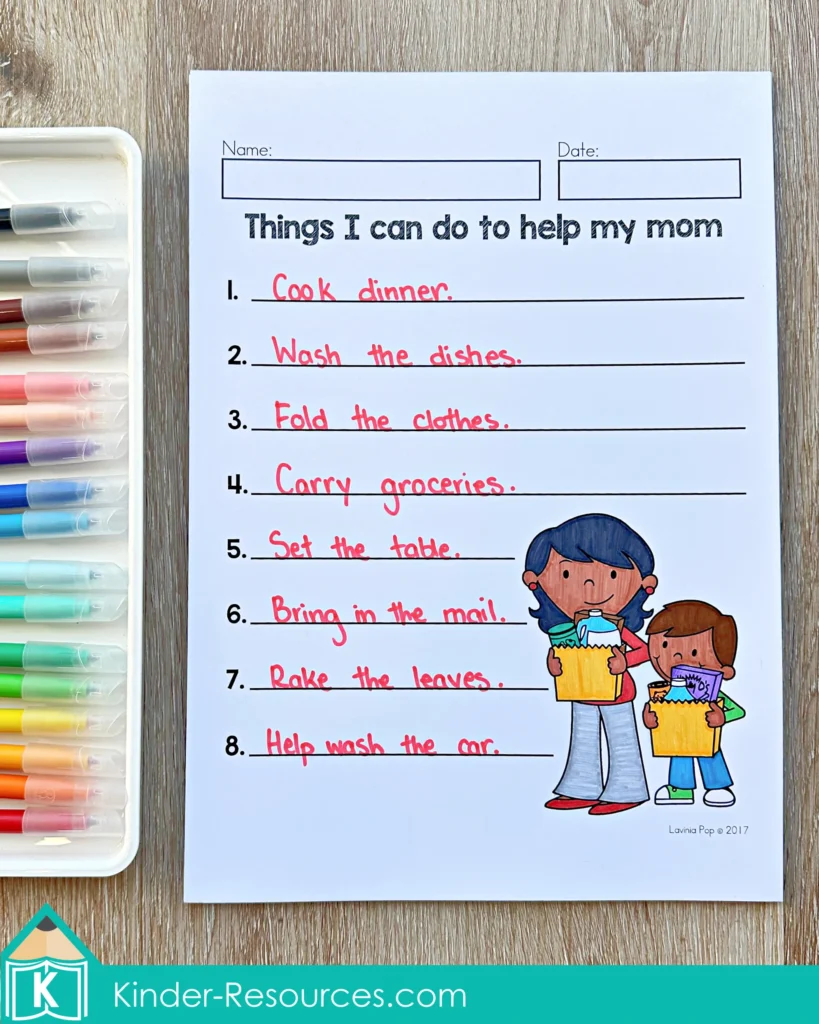
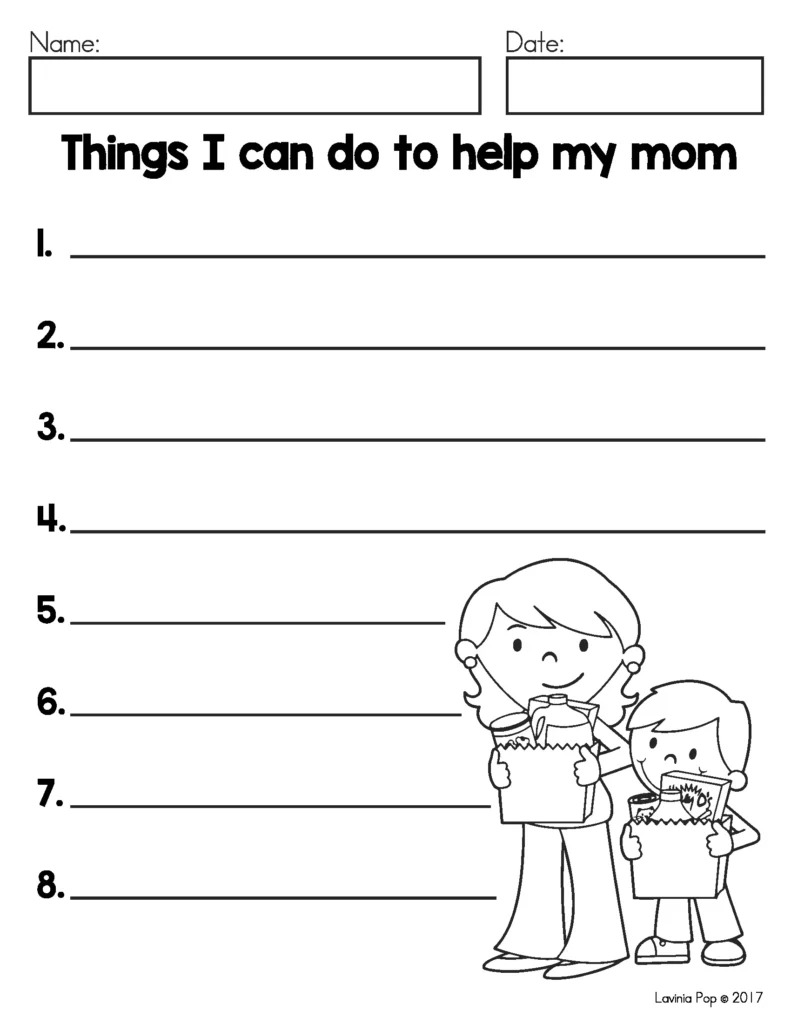
List Writing for Simple Idea Building
List writing is a great bridge between labeling and sentence writing.
Examples include:
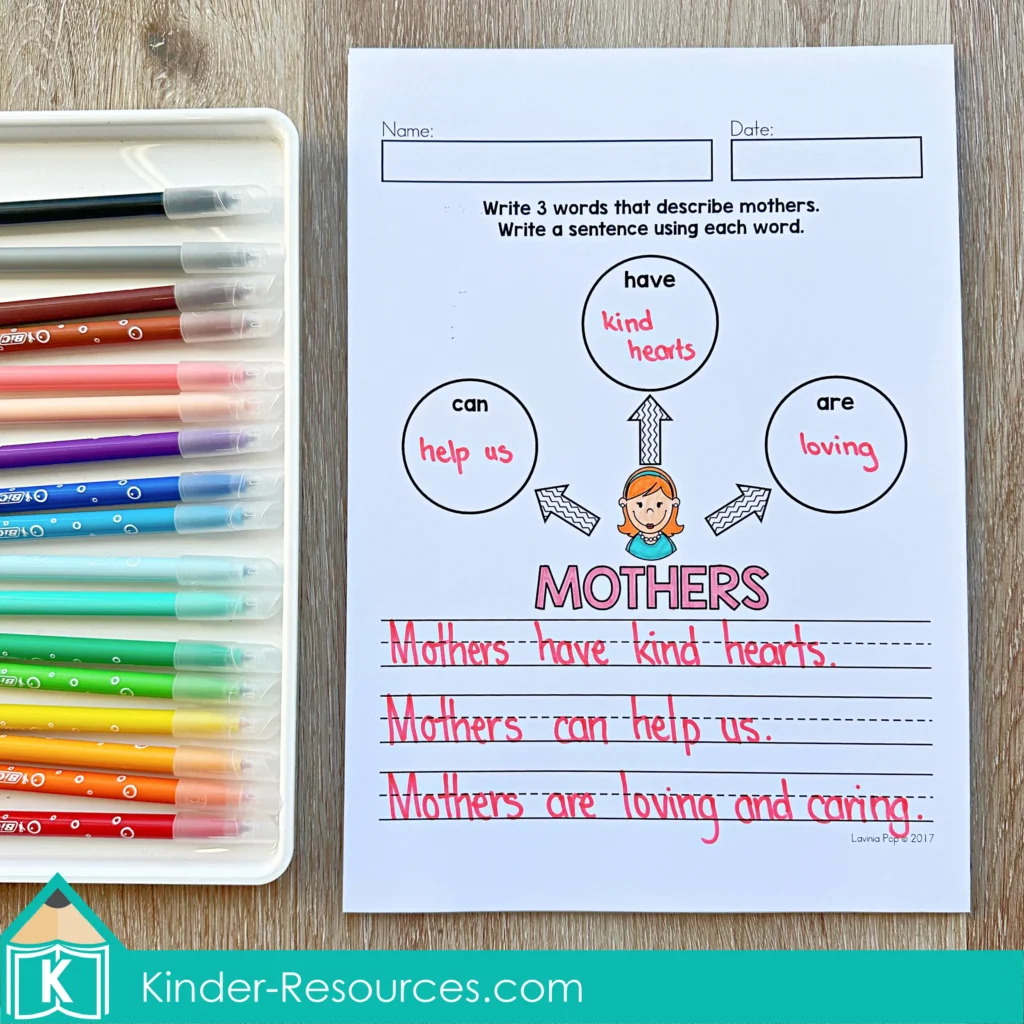
- Things I can do to help my mom
- What I like about my teacher
- Pets that are small
Students learn to organize ideas while keeping writing manageable.
How To Writing for Step by Step Thinking
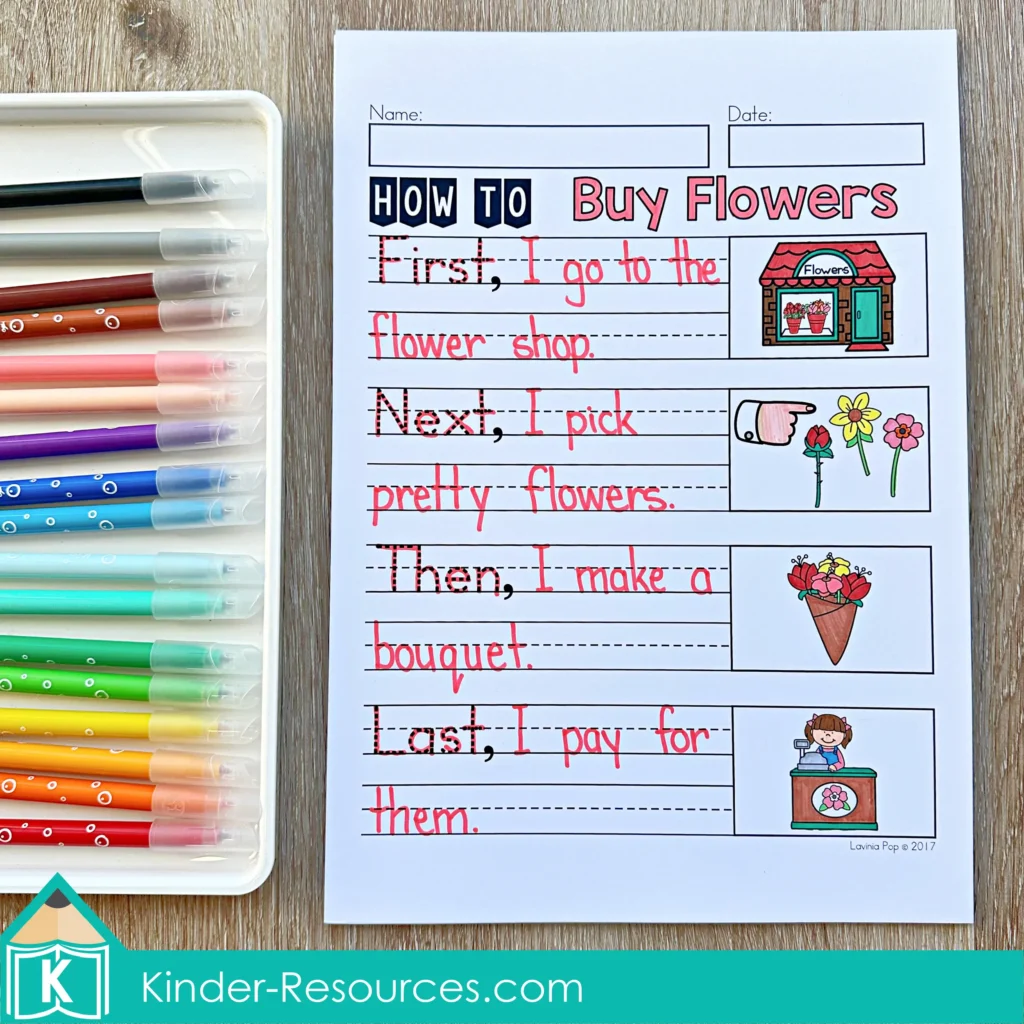
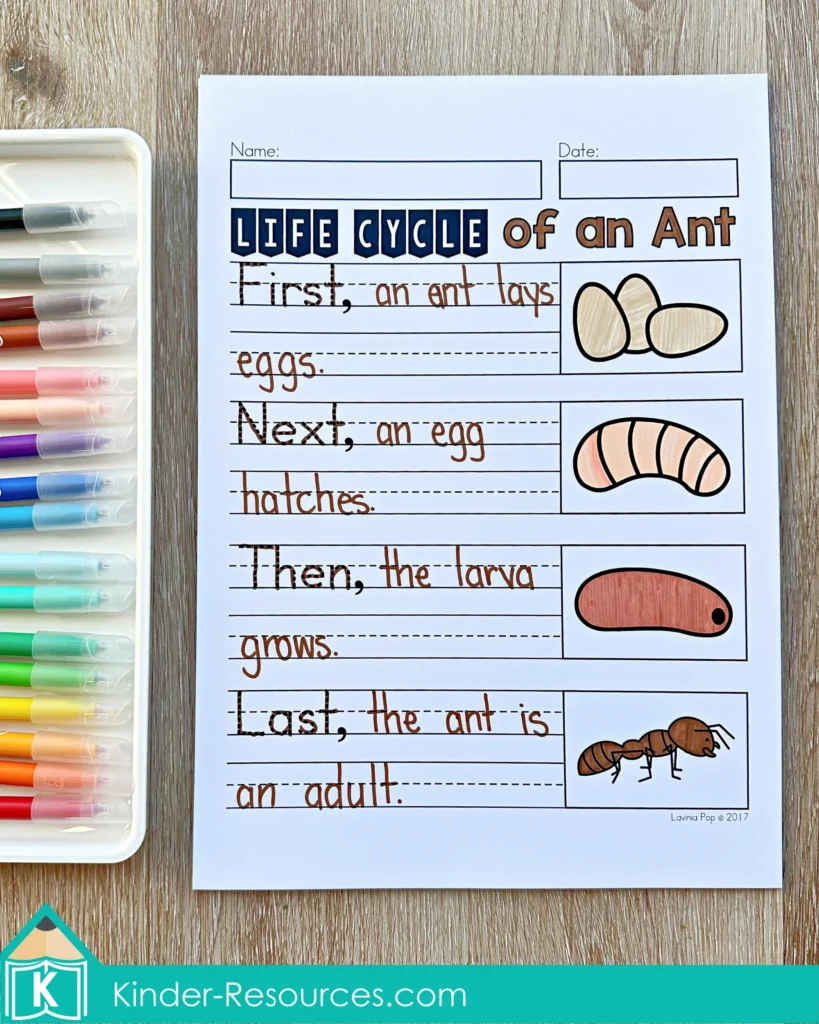
Procedural writing teaches students how to explain a process clearly.
In May, familiar and engaging topics work best, such as:
- How to buy flowers
- Life cycle of an ant
- How to make a birdhouse
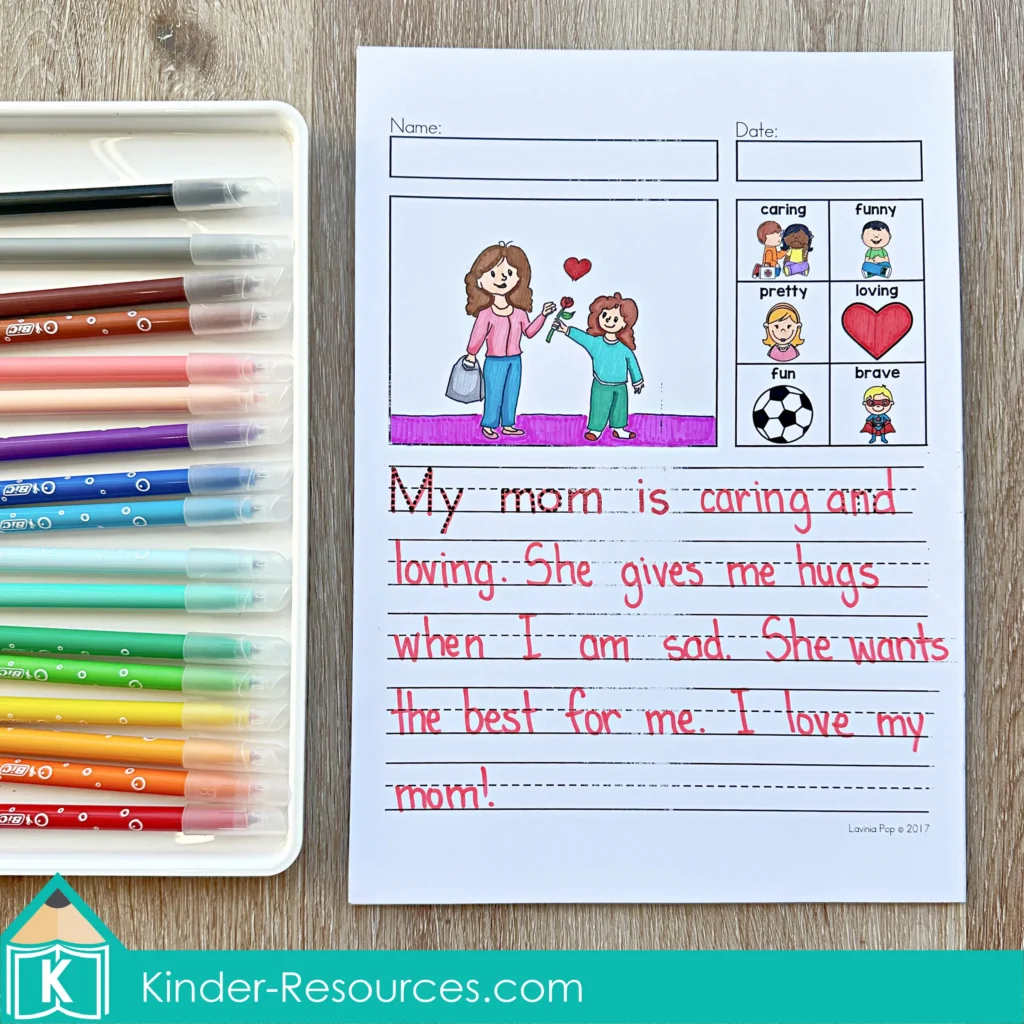
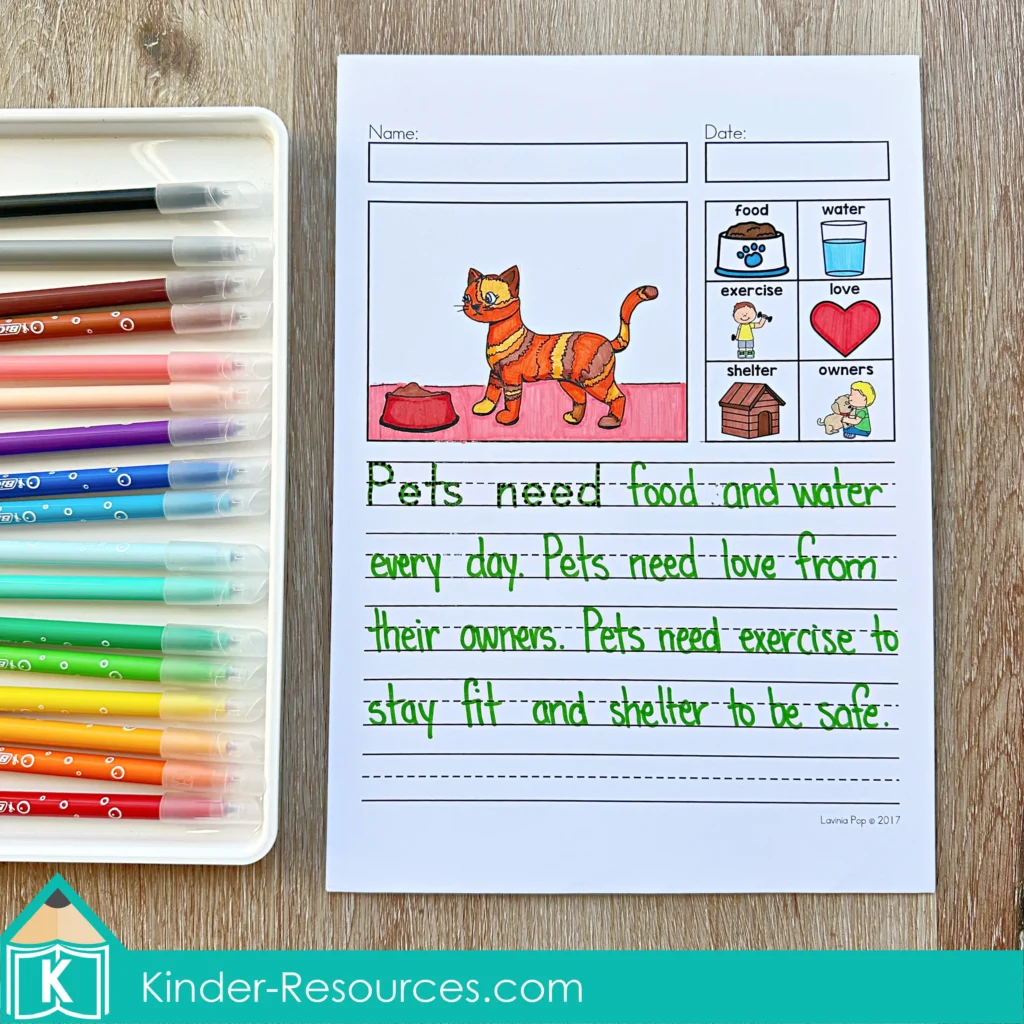
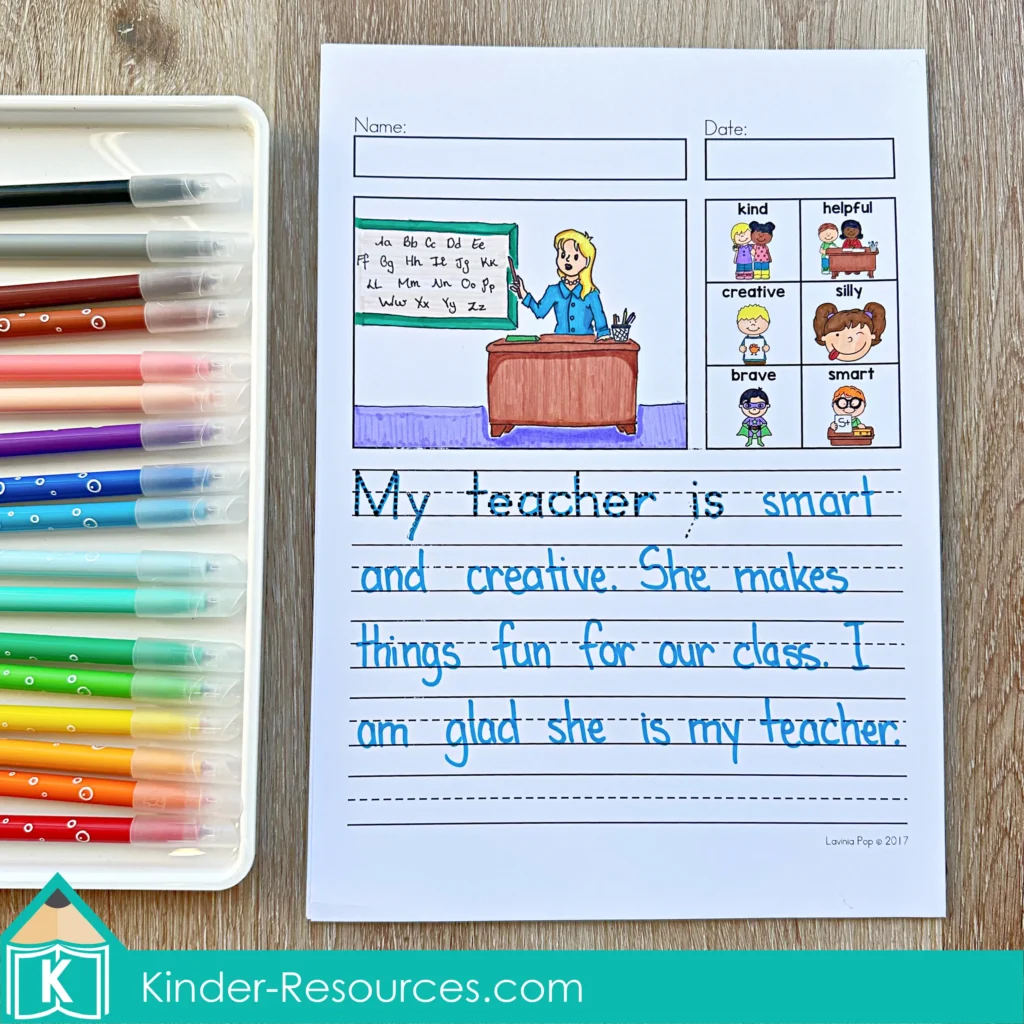
Picture Writing Prompts for Guided Sentences
Picture prompts give students just enough support to get started.
These help students:
- Generate ideas quickly
- Focus on sentence structure
- Build confidence in writing independently
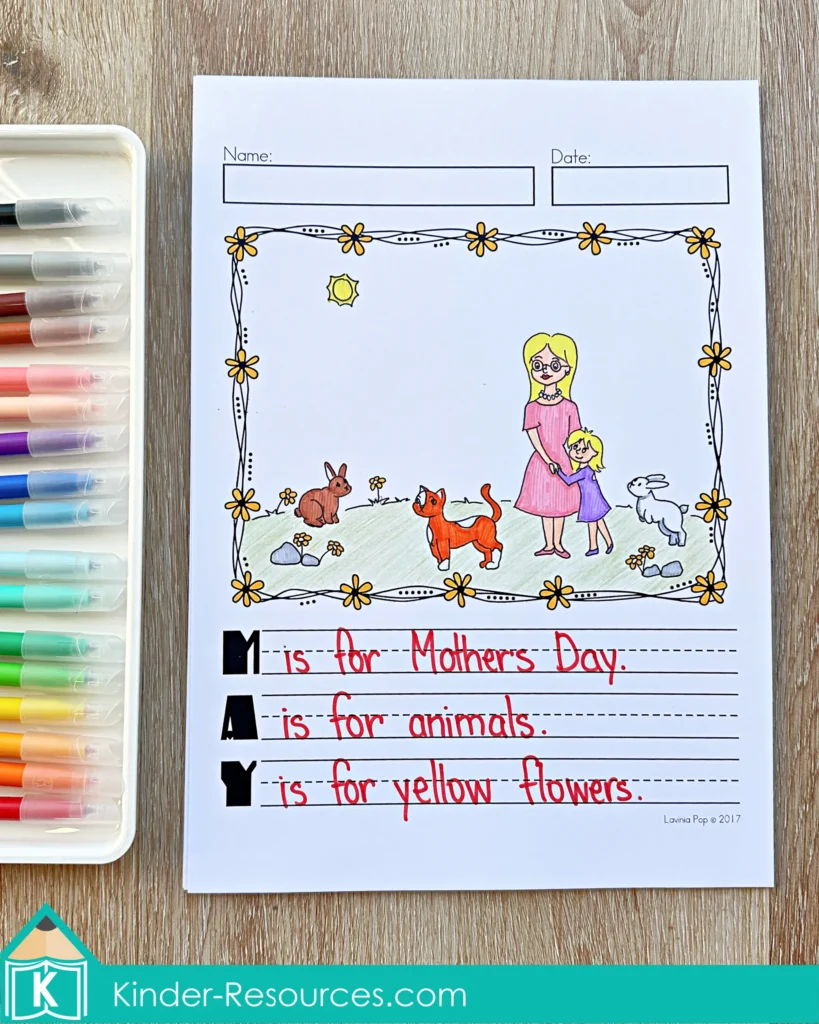
Themes like Mother’s Day and pets make these especially engaging.
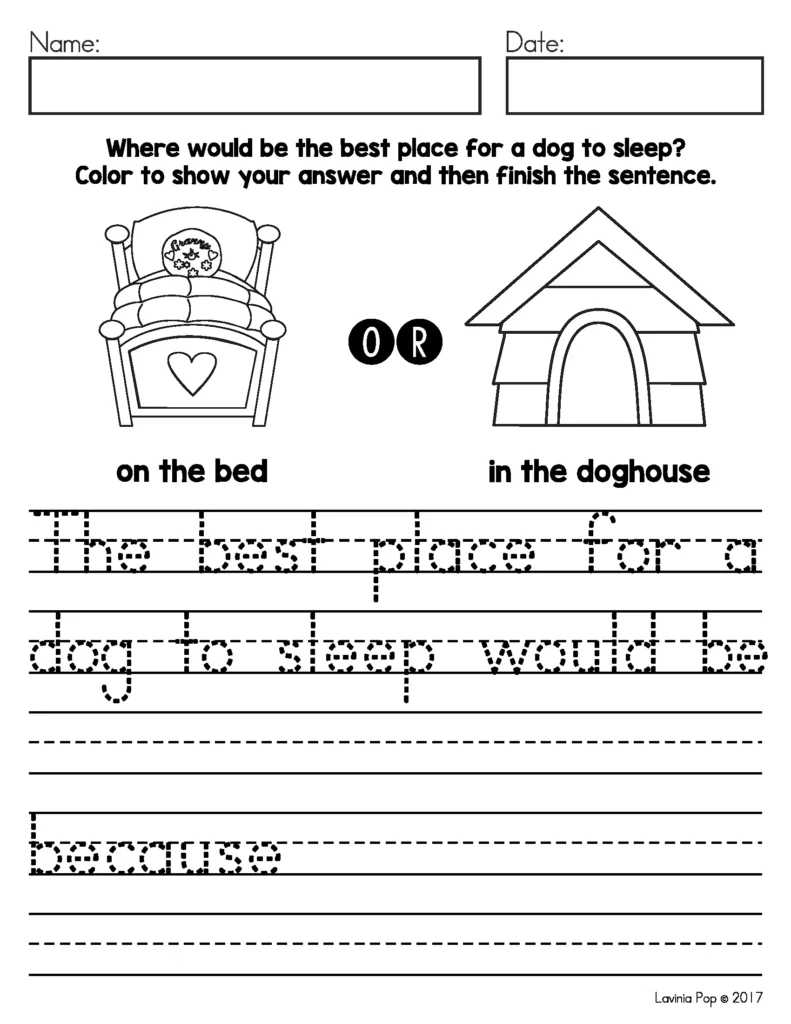
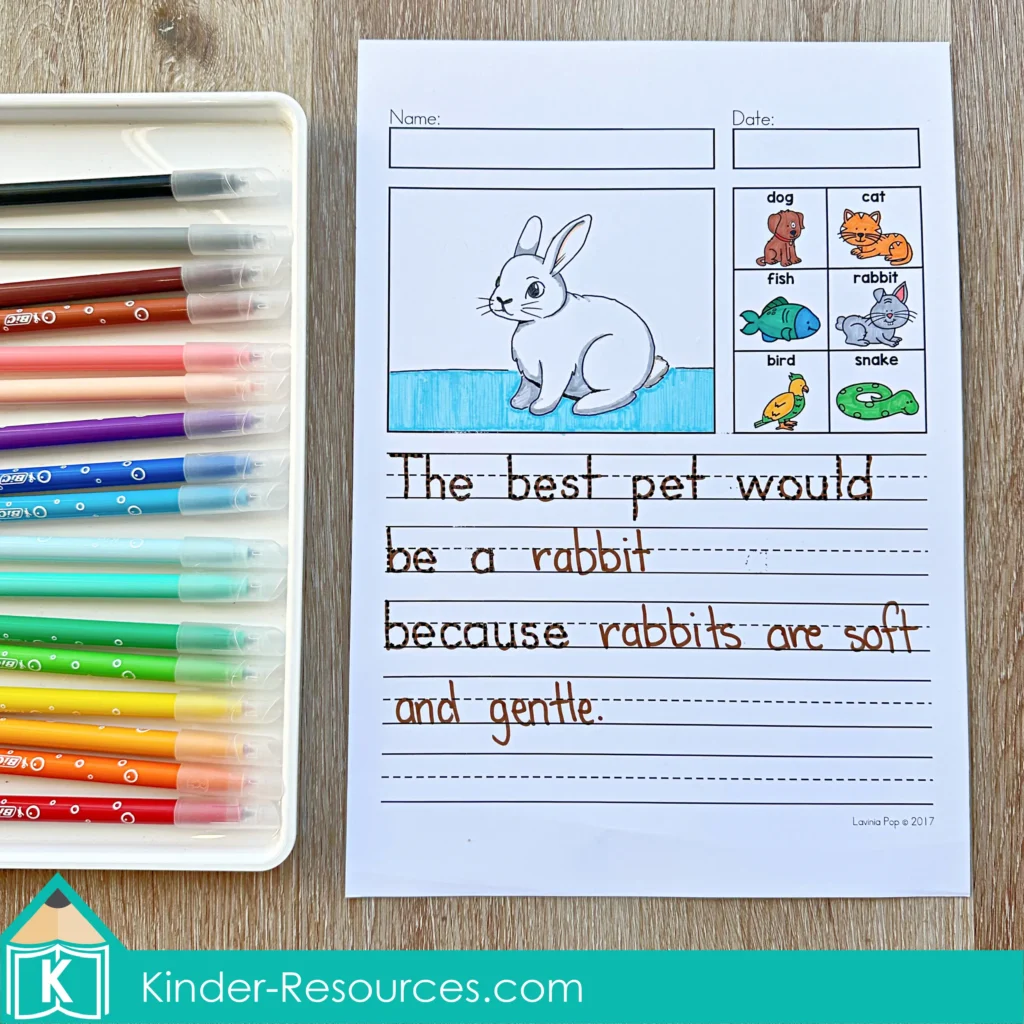
Opinion Writing for Expressing Ideas
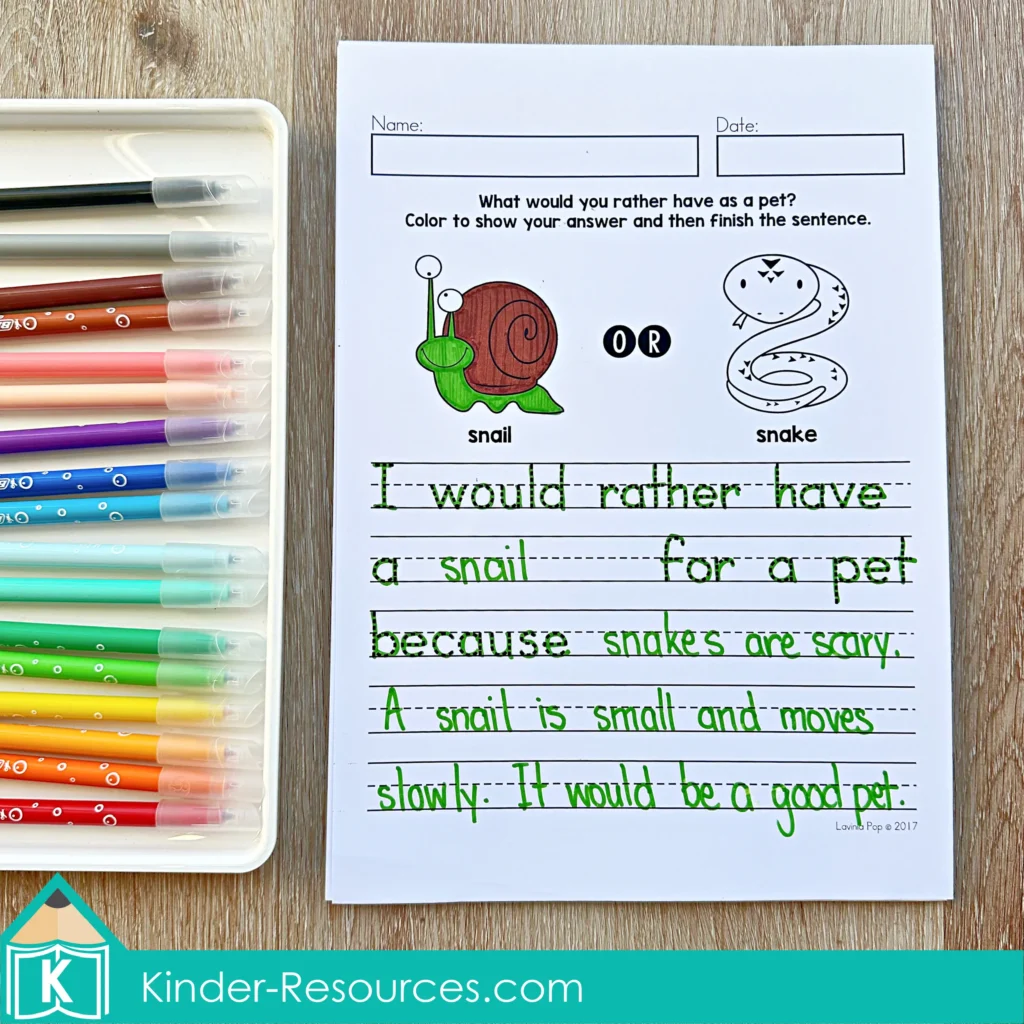
Opinion writing becomes more meaningful when students can relate to the topic.
Simple choices help reduce overwhelm, such as:
- Would you rather pick or buy flowers?
- Would you rather have a snail or a snake?
Students learn to:
- State an opinion
- Give a reason
- Explain their thinking
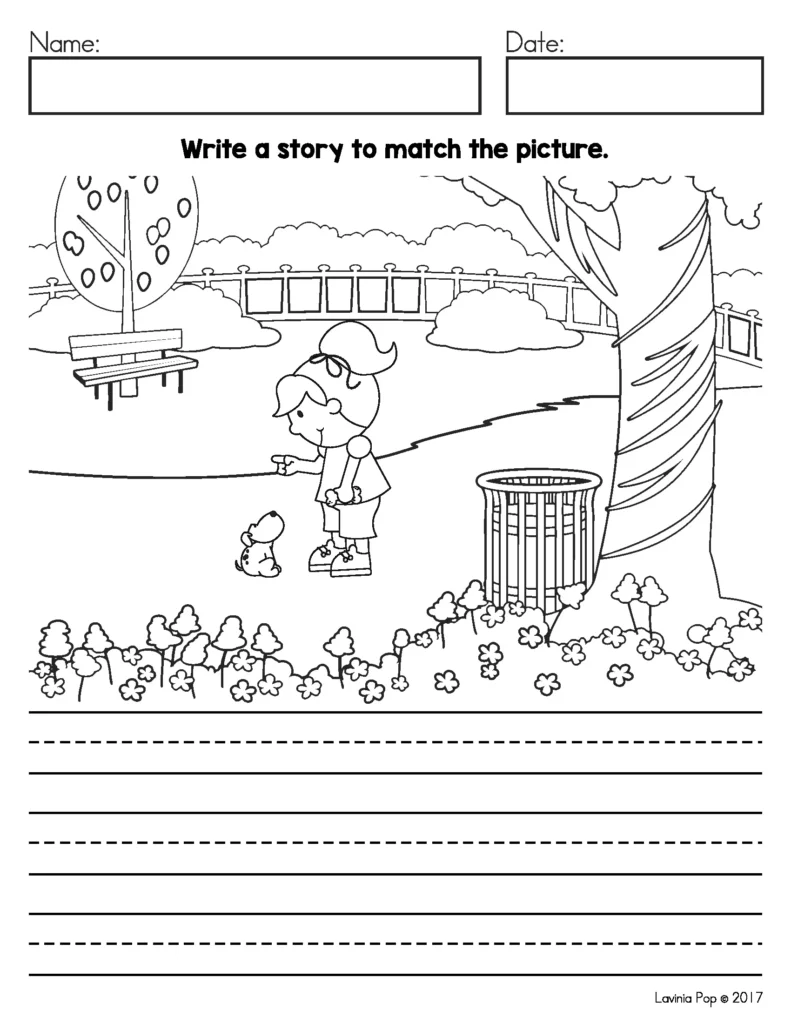
Narrative Writing for Storytelling Skills
Narrative prompts encourage creativity while still providing structure.
Students may:
- Write a sentence to match a picture
- Create a short story based on an image
- Describe a simple event
These activities help build sequencing and storytelling skills.
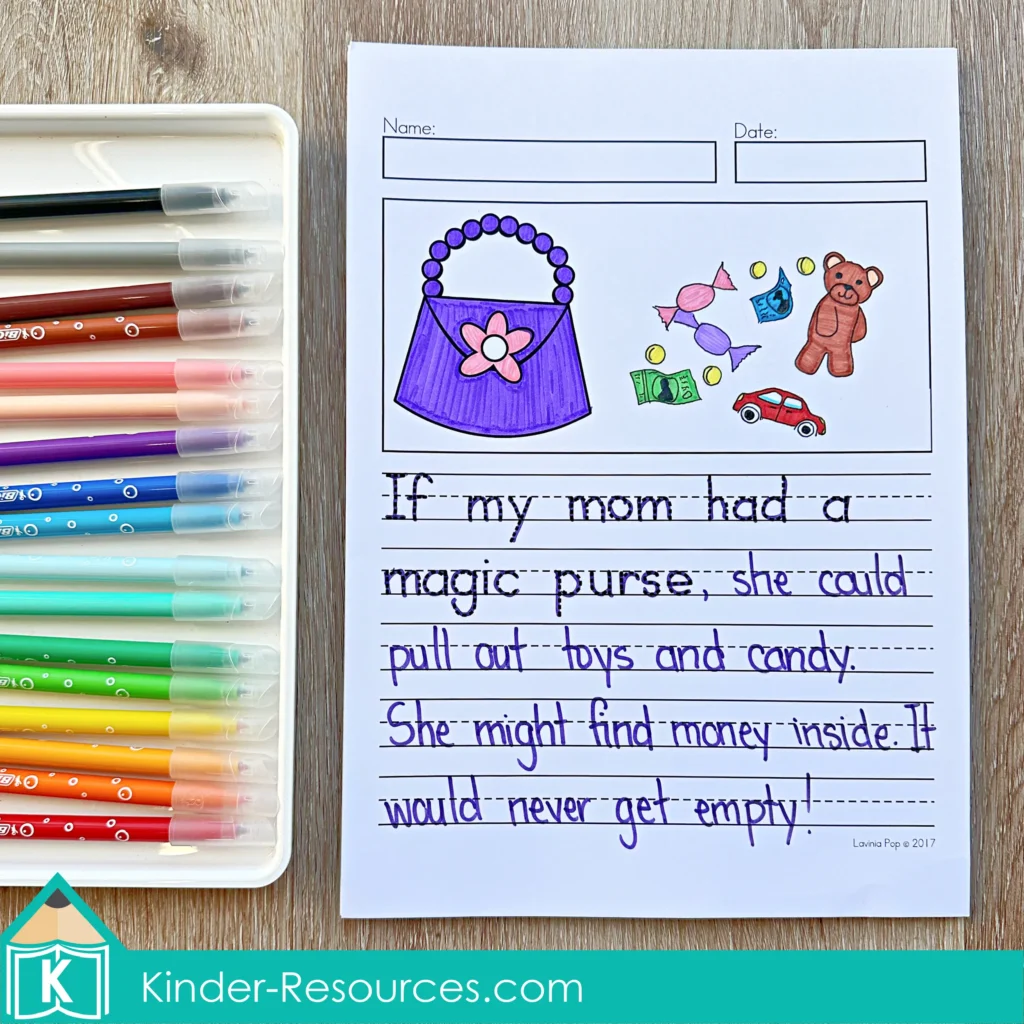
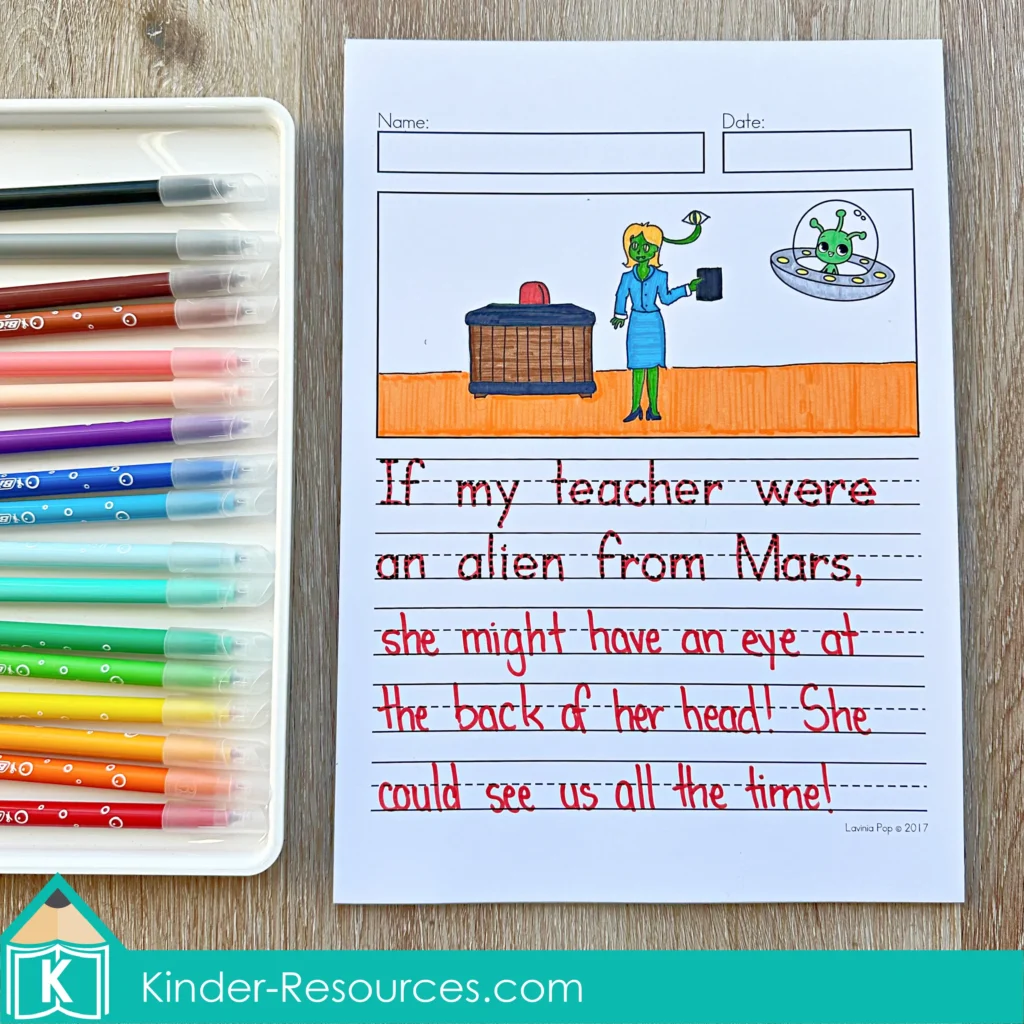
Creative Writing Prompts for Imagination
These are always a favorite toward the end of the year.
Examples include:
- If I were the teacher for one day
- If my mom had a magic purse
- If I had a pet dragon
Students can apply everything they’ve learned in a fun, low pressure way.
Poetry and Letter Writing for Variety
Adding poetry and letter writing keeps the journal fresh and engaging.
Students practice:
- Acrostic poems (May)
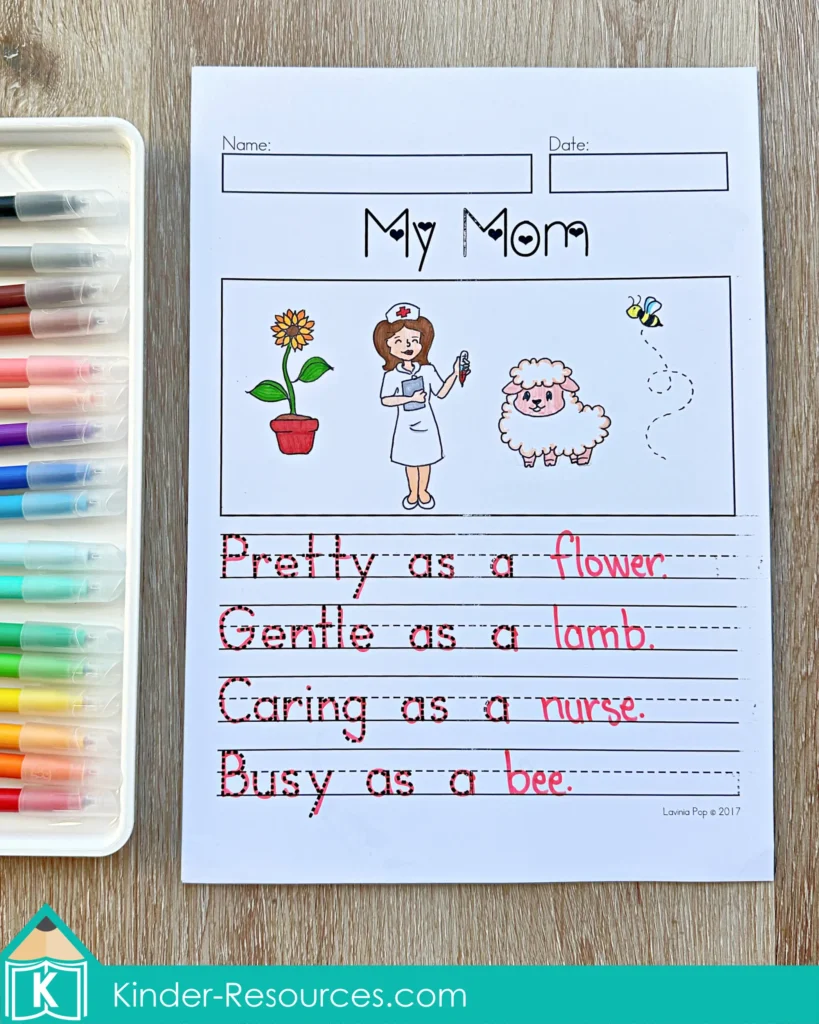
- Simile poems (My Mother)
- Letter writing (to the principal)
These formats introduce new ways to use language.
How to Use May Writing Prompts in Your Classroom
The key to success with writing journals is consistency.
You can:
- Use one page each day as morning work
- Add it to your writing center rotation
- Use selected pages for small group instruction
- Send pages home for extra practice
You do not need to use every page. Choose prompts based on your students’ needs.
Troubleshooting Tips for Struggling Writers
If students are hesitant or stuck, small adjustments can make a big difference.
- Model a sentence first and write it together
- Allow drawing before writing to build ideas
- Use sentence starters to reduce overwhelm
- Accept invented spelling to encourage risk taking
The goal is confidence first, accuracy will follow.
Adjusting May Writing Prompts for Different Levels
These prompts are easy to adapt across grade levels.
- Kindergarten: focus on drawing, labeling, and simple sentences
- First Grade: expand sentences and add details
- Second Grade: encourage full responses with reasons and explanations
Using the same prompt at different levels helps simplify planning.
Quick Checklist for Using a May Writing Journal
- Print and organize pages ahead of time
- Decide on a daily or weekly writing routine
- Model expectations clearly
- Encourage drawing alongside writing
- Celebrate student work regularly
Keeping things simple makes the biggest impact.
Final Thoughts
May writing prompts are a practical way to keep students writing consistently while still keeping activities fun and meaningful. With a mix of writing types and engaging seasonal themes, students can finish the year feeling confident in their writing skills.
Purchase the May Writing Journal Prompts Resource
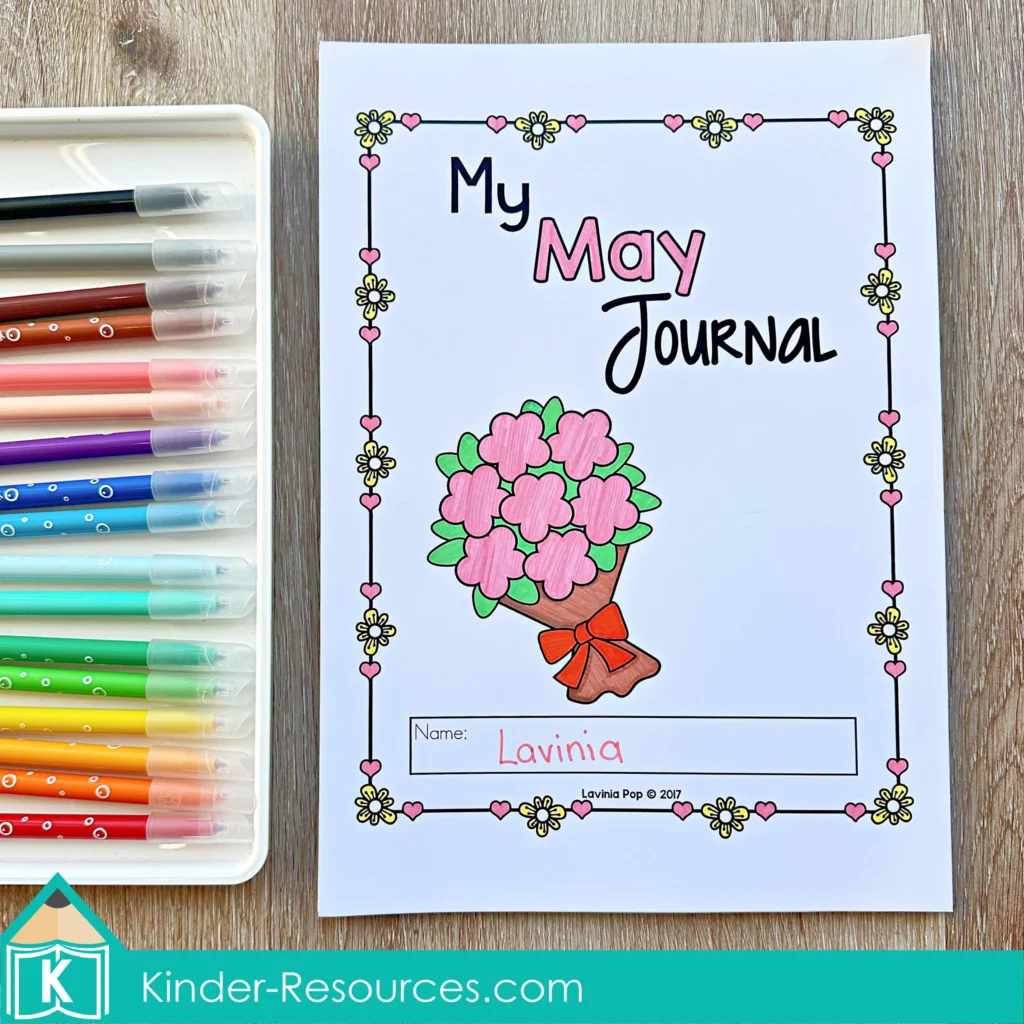
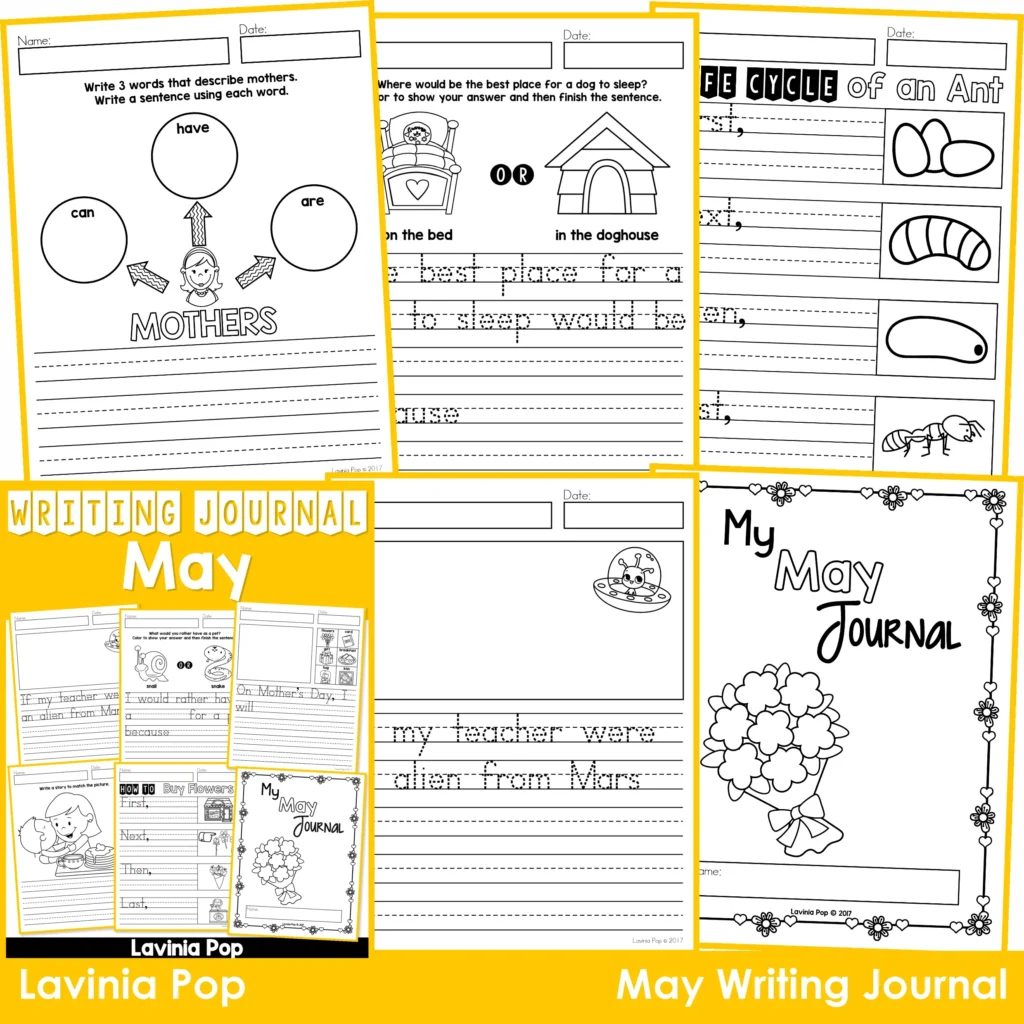
If you want a ready to use option, this May Writing Journal Prompts pack includes over 45 pages of structured activities covering opinion, narrative, procedural, and creative writing.
It is designed to support Kindergarten, First Grade, and Second Grade students with simple, predictable formats that build confidence.


You may also like