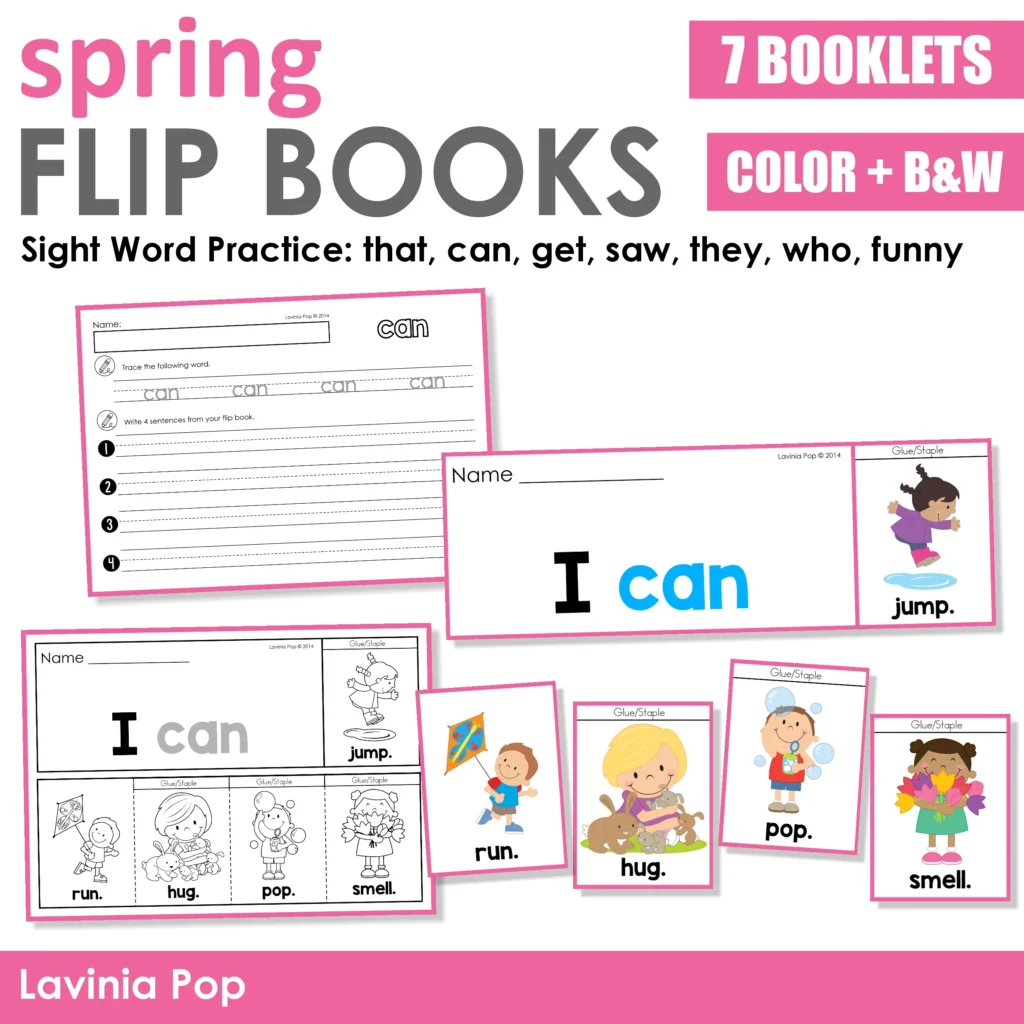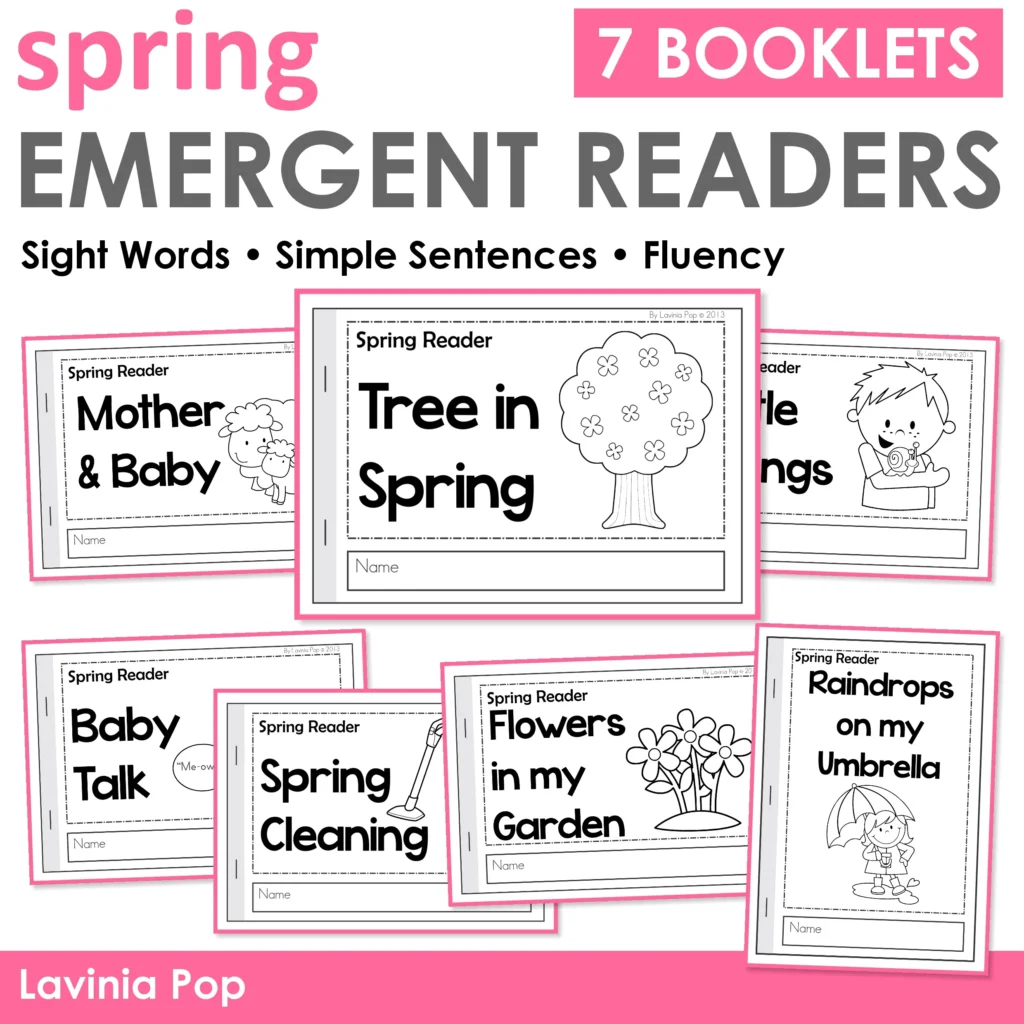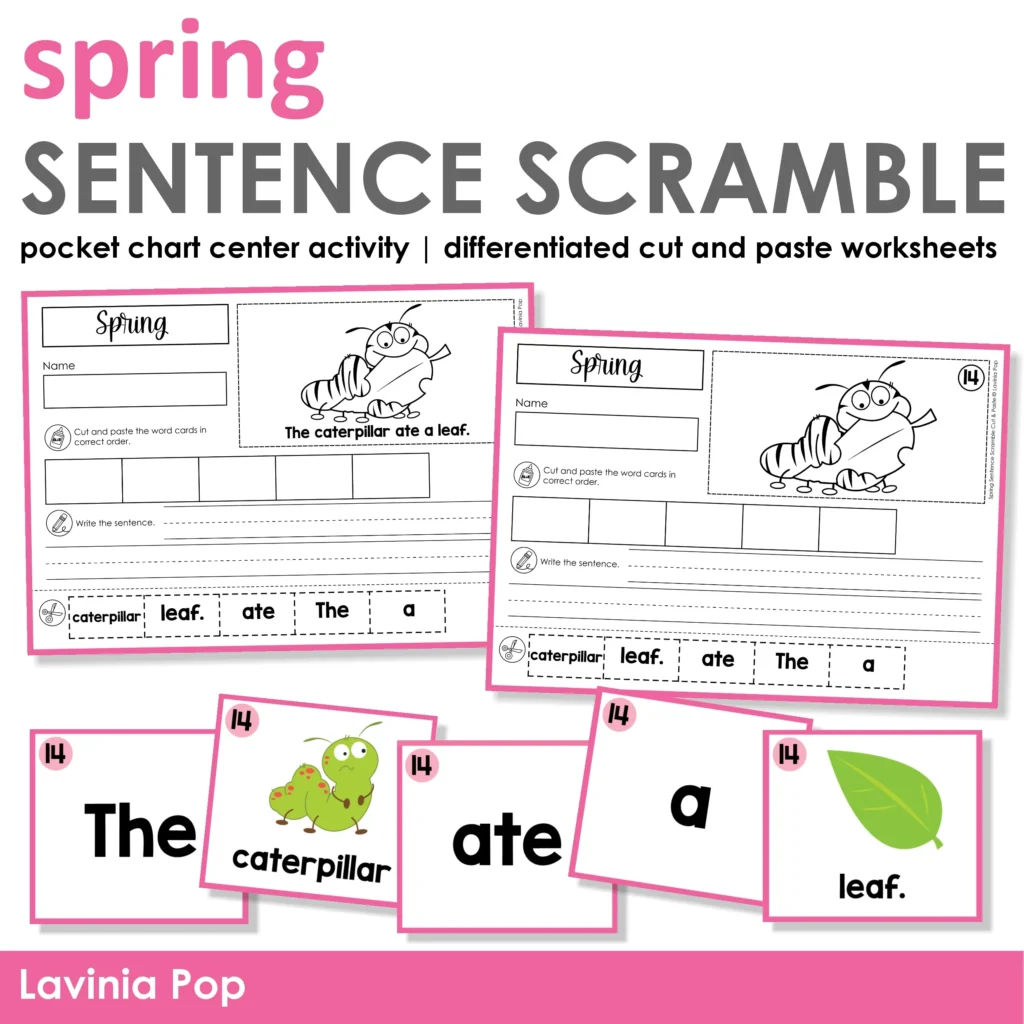
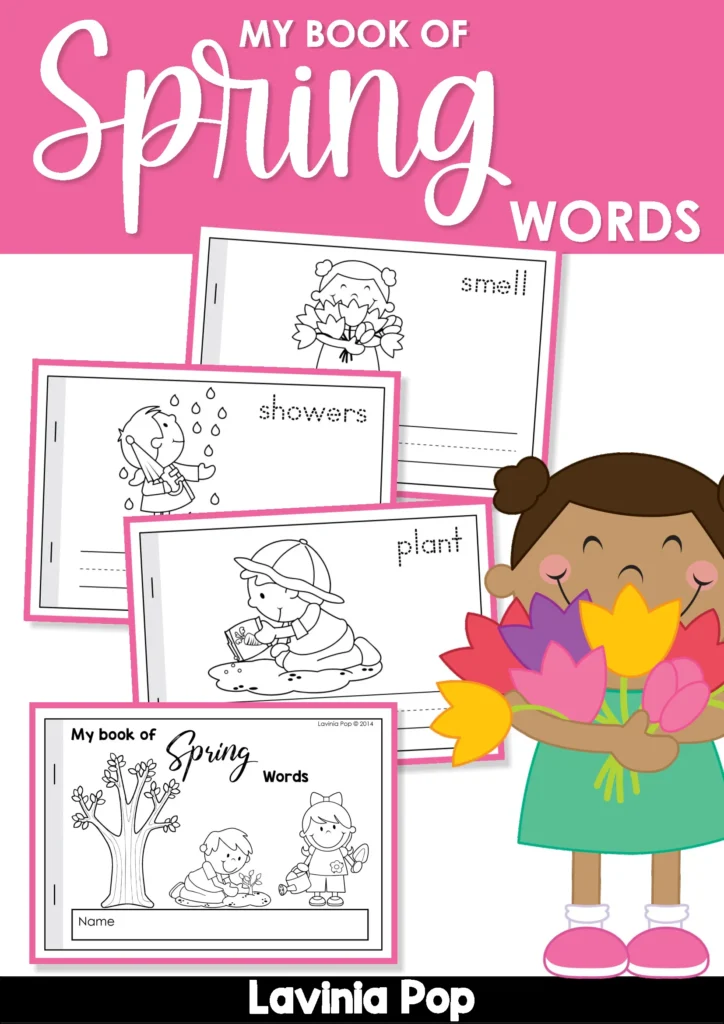
A Spring Vocabulary Activities for Kindergarten booklet is a simple way to help young learners build seasonal vocabulary while practicing handwriting and early writing skills. In this activity, children trace spring words, write them independently, and connect each word with a picture that represents the vocabulary.
These Spring Vocabulary Activities for Kindergarten work especially well during the spring months because students are already noticing changes in nature. Flowers begin to bloom, birds return to their nests, rain creates puddles outside, and gardens start to grow. When vocabulary practice connects to real experiences like these, children understand and remember new words more easily.
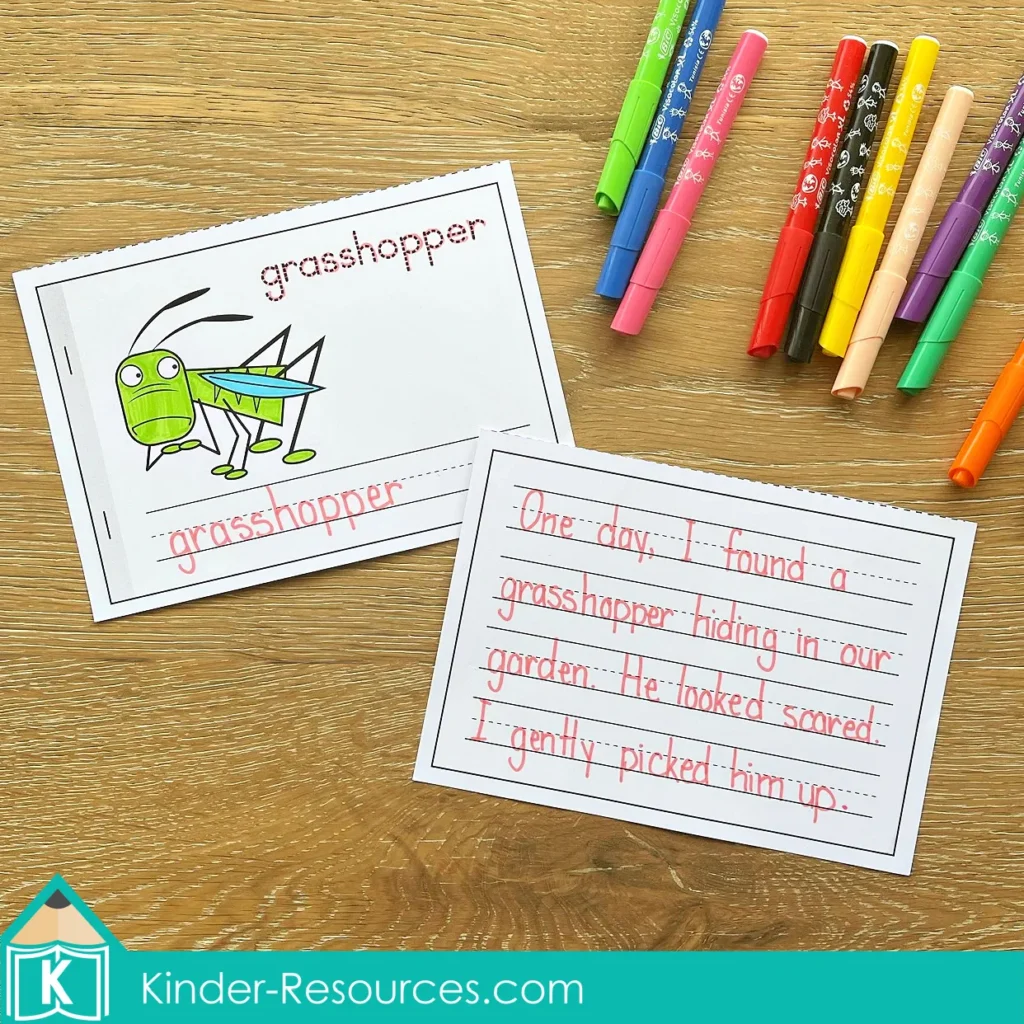
The booklet format also supports writing development. Students begin by tracing a word, then practice writing it independently, and finally use the word in a simple sentence. This gradual progression helps children build confidence with spelling, handwriting, and sentence formation.
Because the activity follows a predictable structure, students quickly learn what to do and can complete pages independently during literacy centers. For teachers, Spring Vocabulary Activities for Kindergarten provide a meaningful way to combine vocabulary learning, handwriting practice, and seasonal writing in one simple activity.
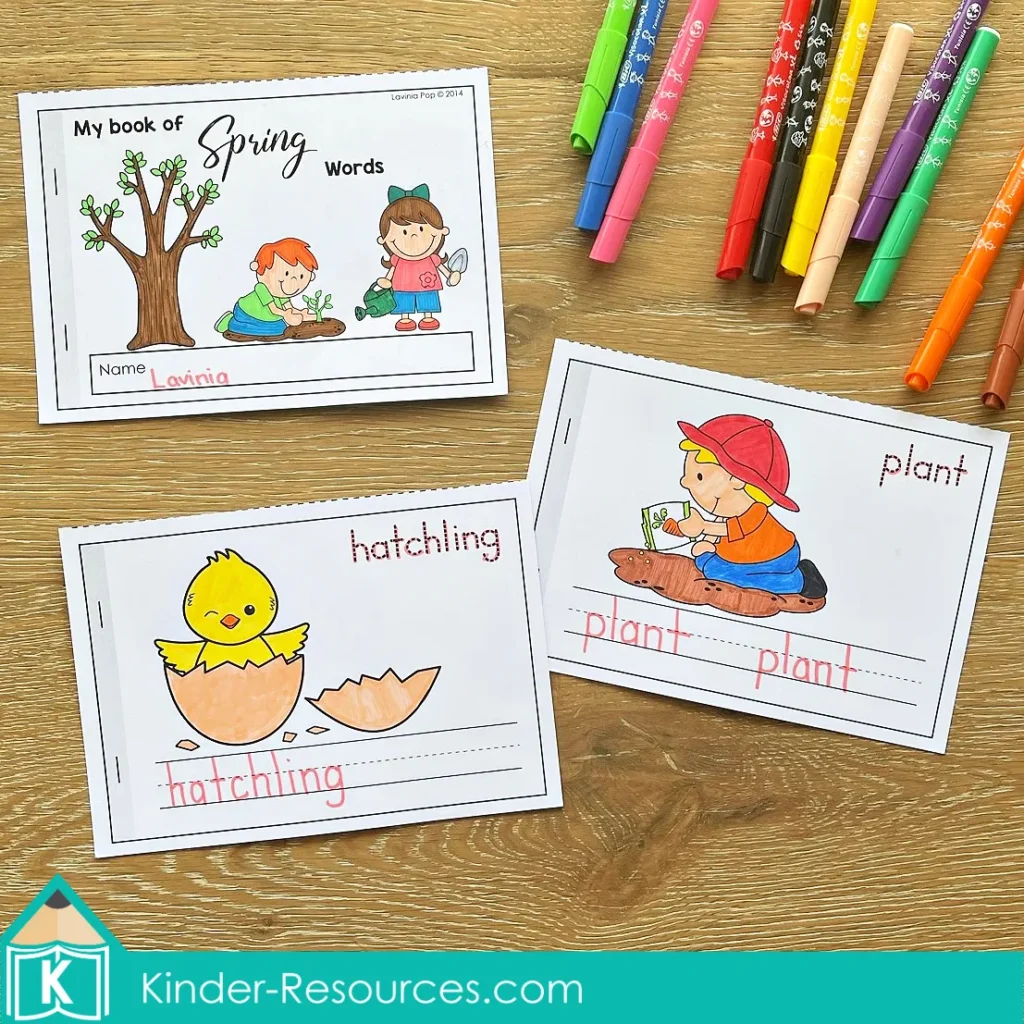
Spring Vocabulary Activities for Kindergarten: FREE Sample Pages
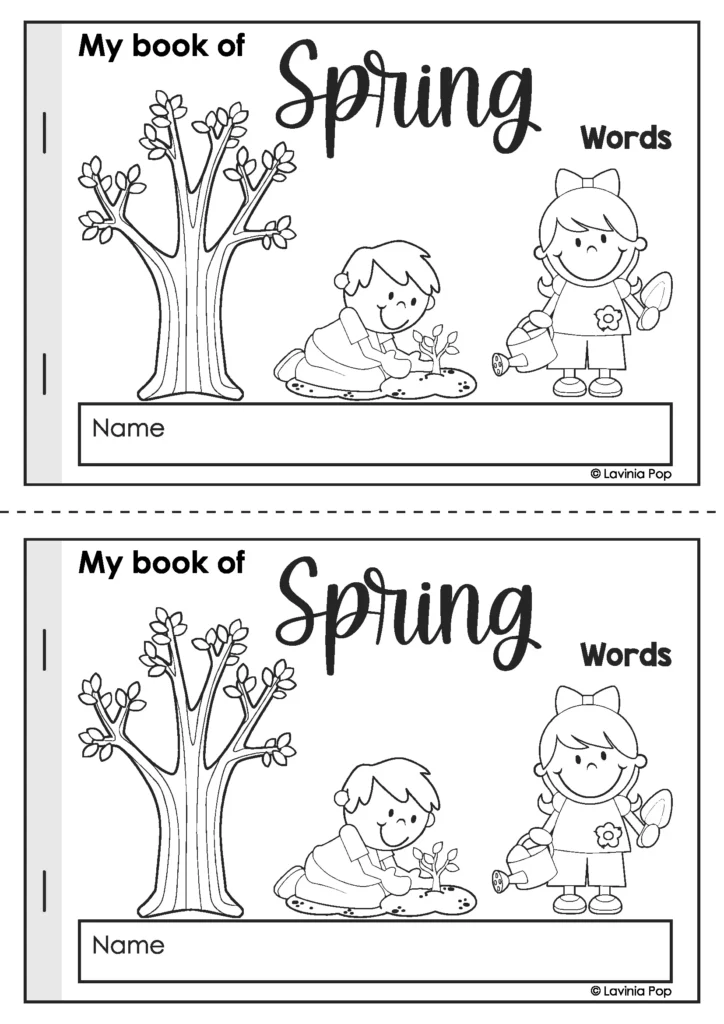
You can download a few sample pages from the Spring Vocabulary Booklet to try with your students.
These pages allow children to:
- trace spring vocabulary words
- write the word independently
- color the picture
- practice writing simple sentences using the word
This makes it easy to see how the booklet works before using the full resource in your classroom.

Spring Vocabulary Activities for Kindergarten: How the Booklet Works
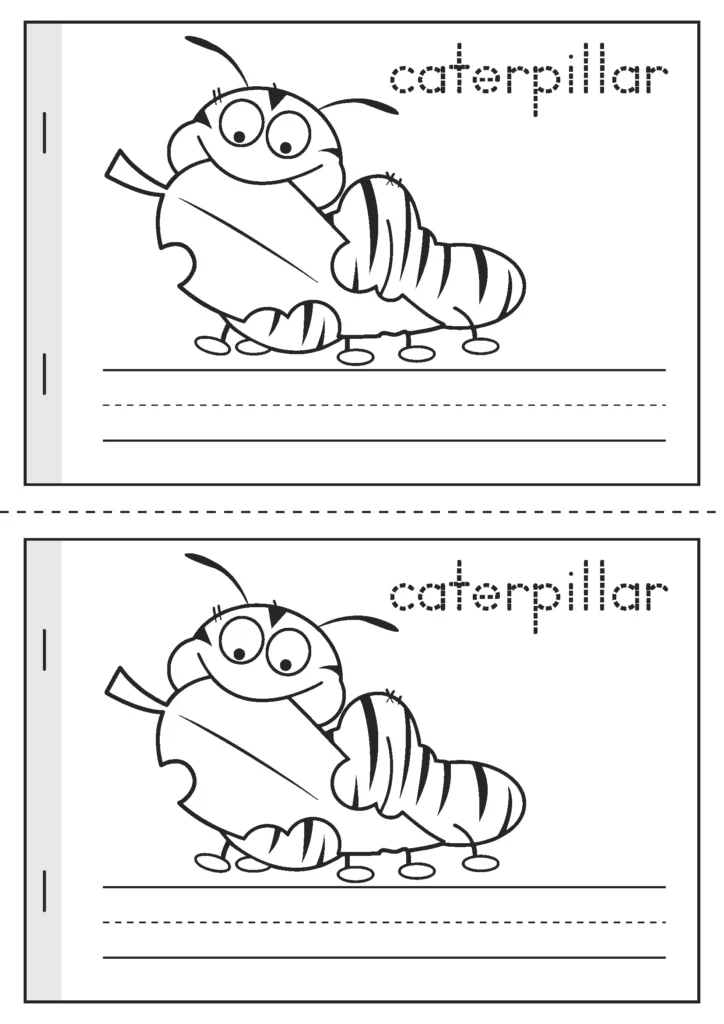
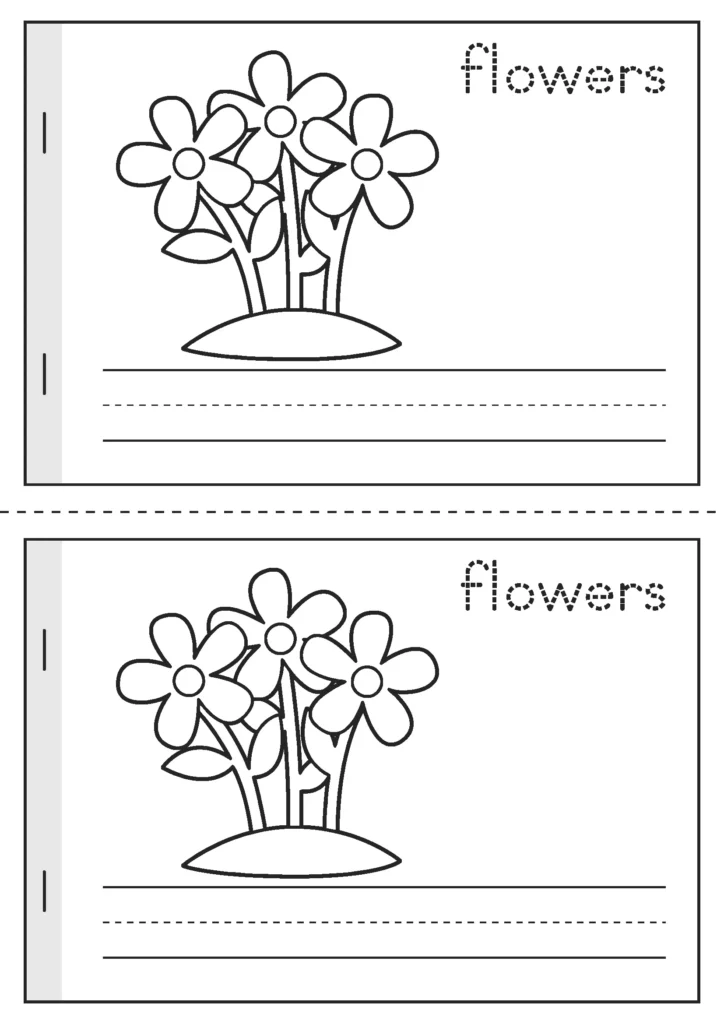
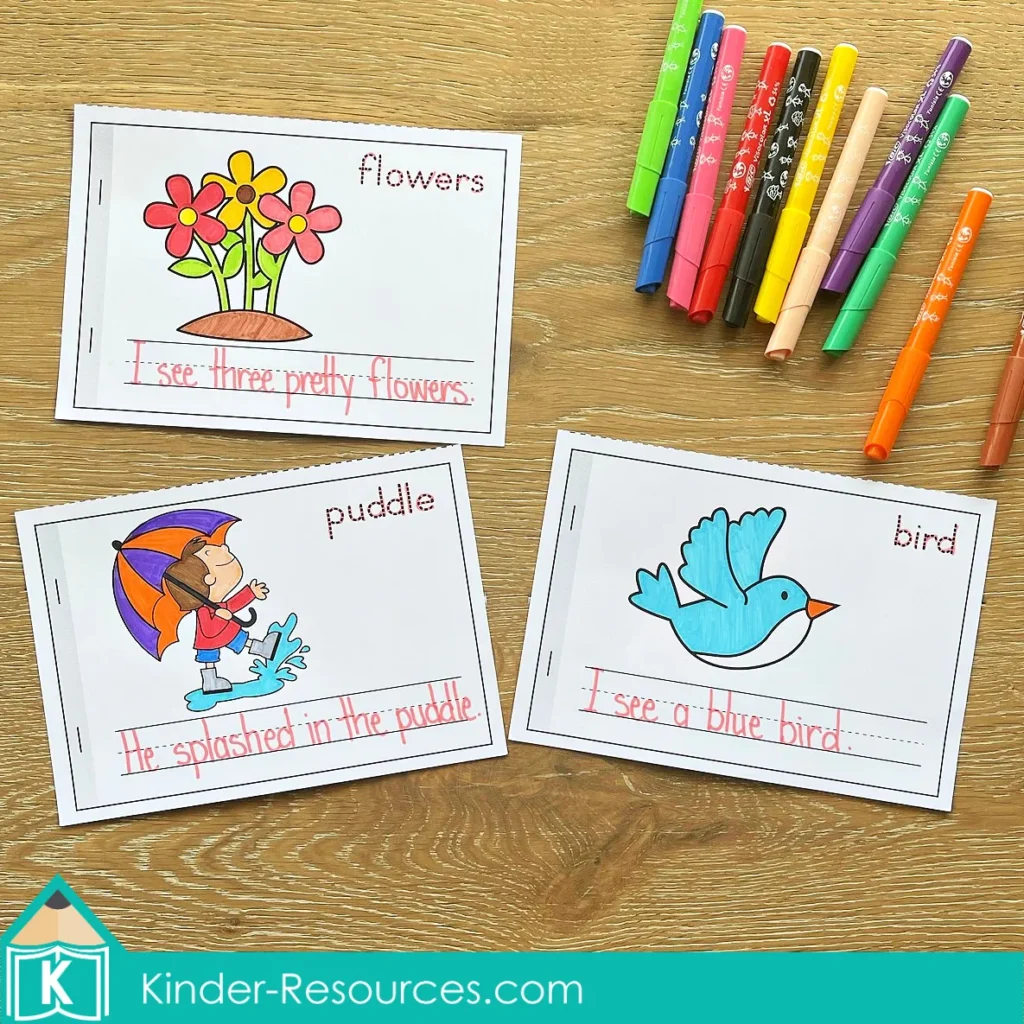
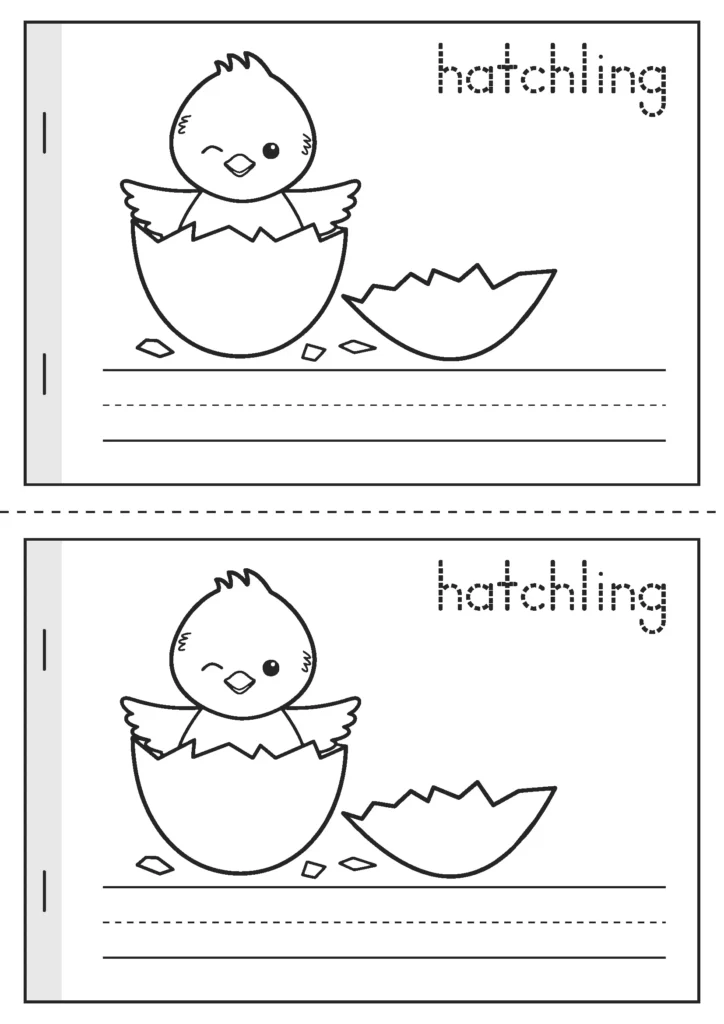
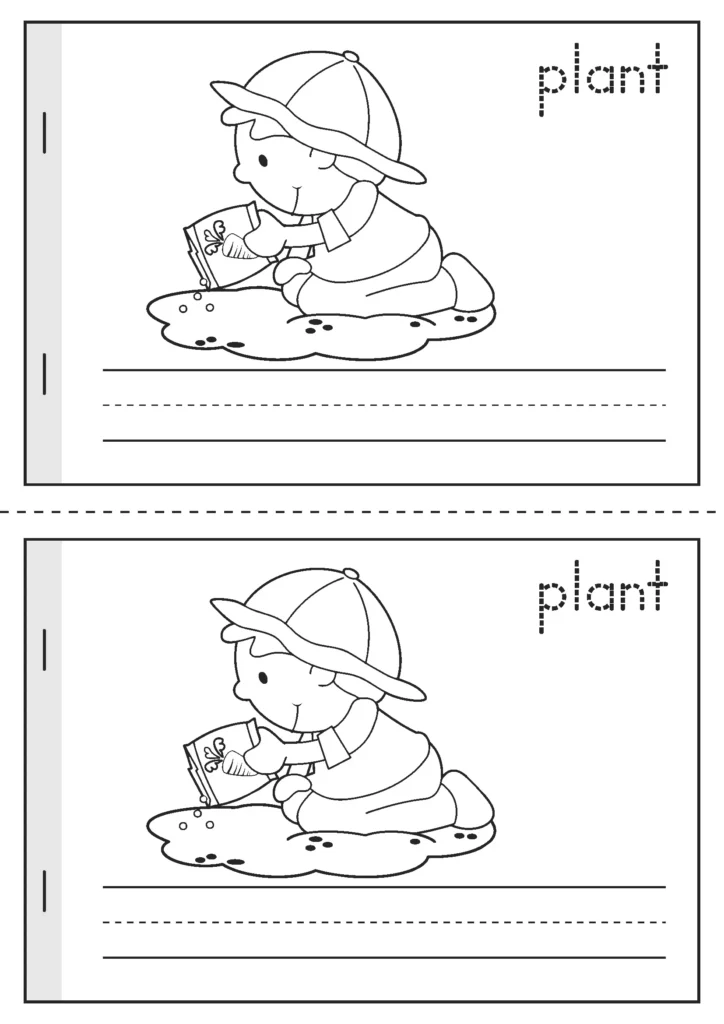
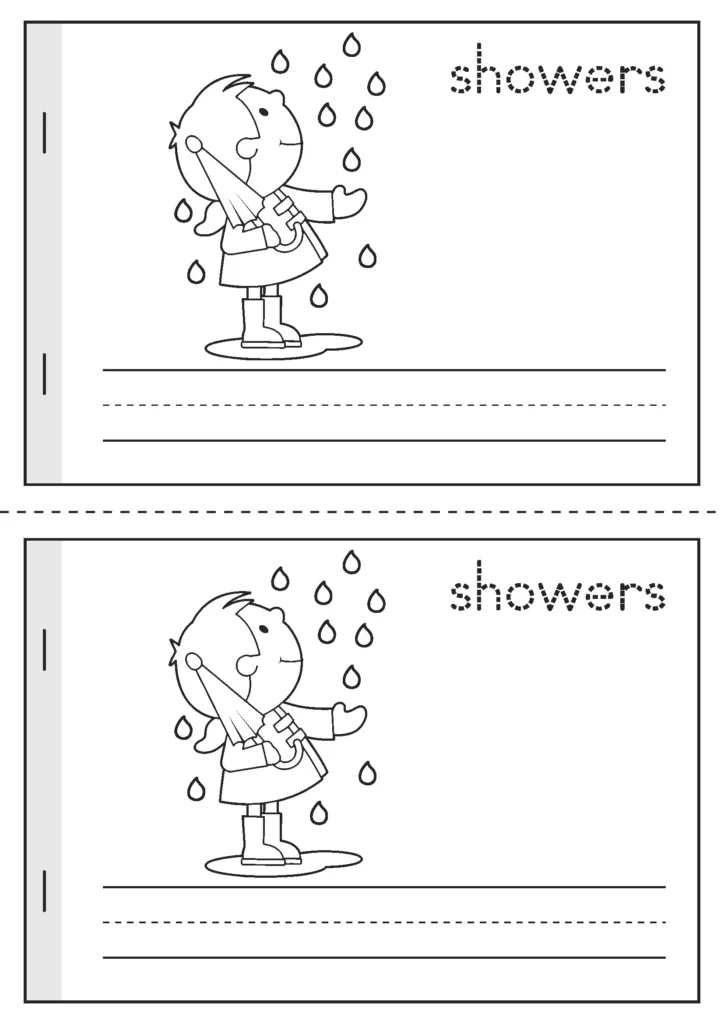
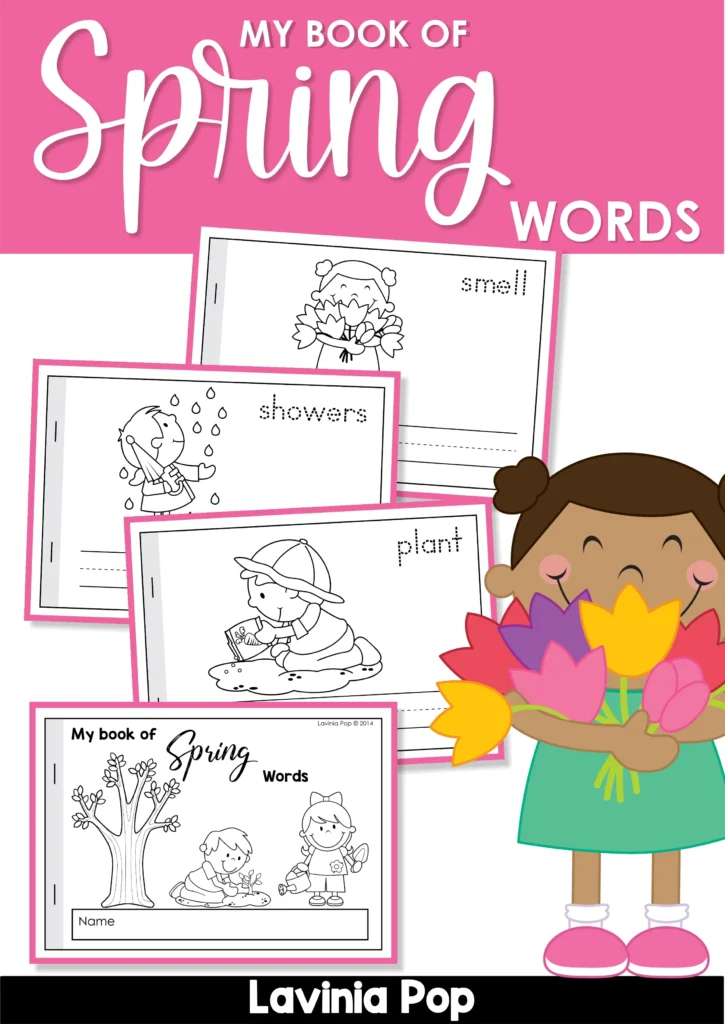
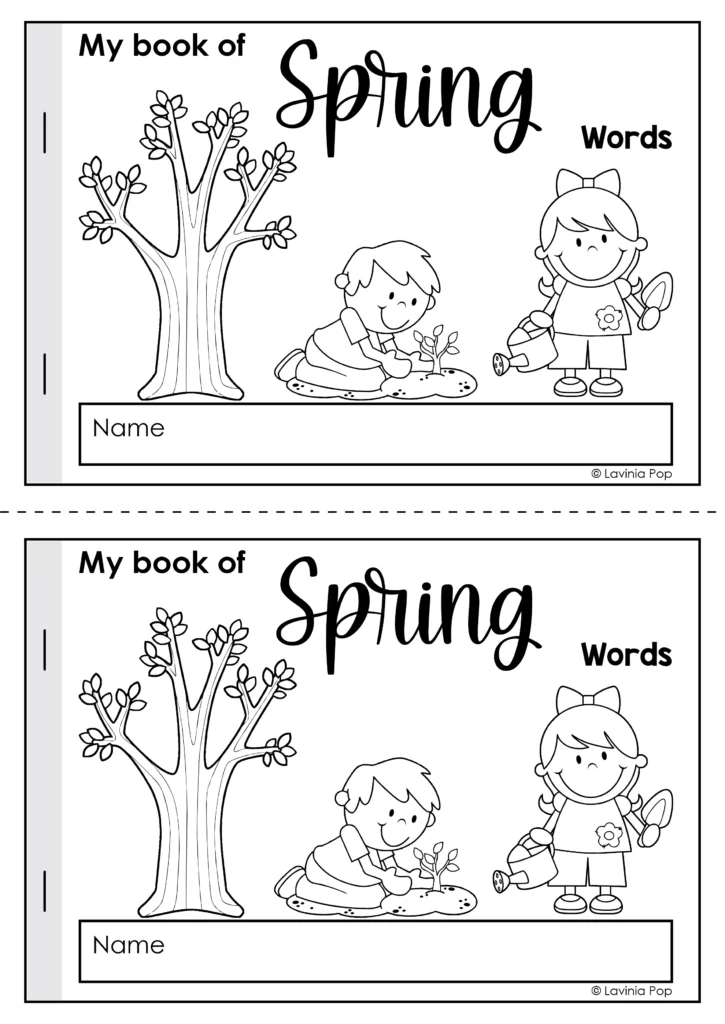
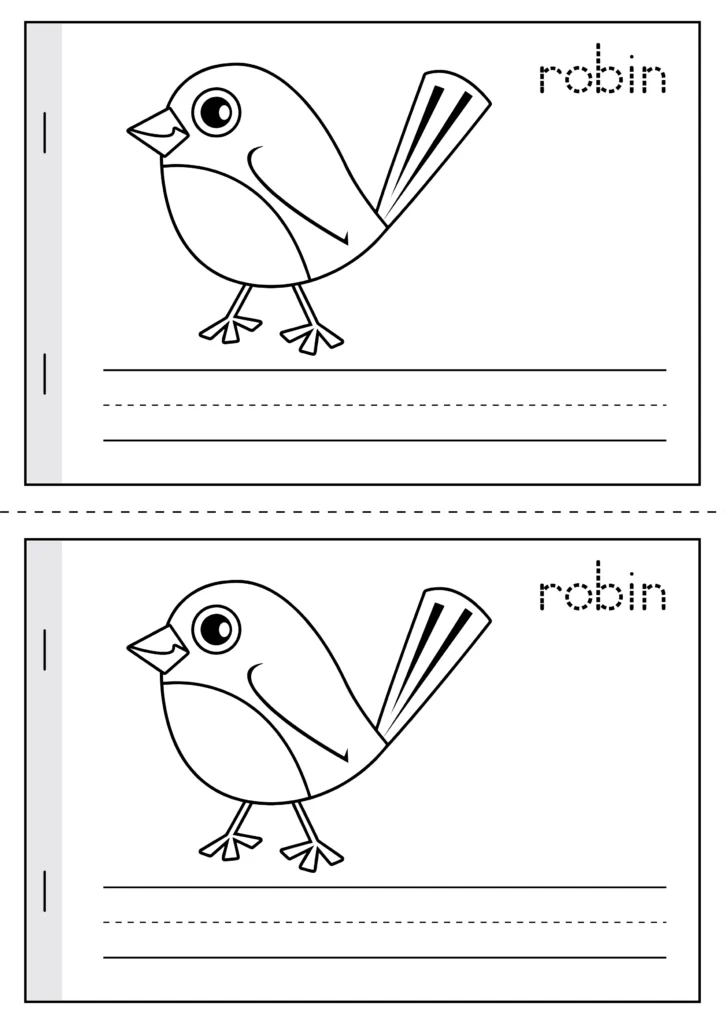
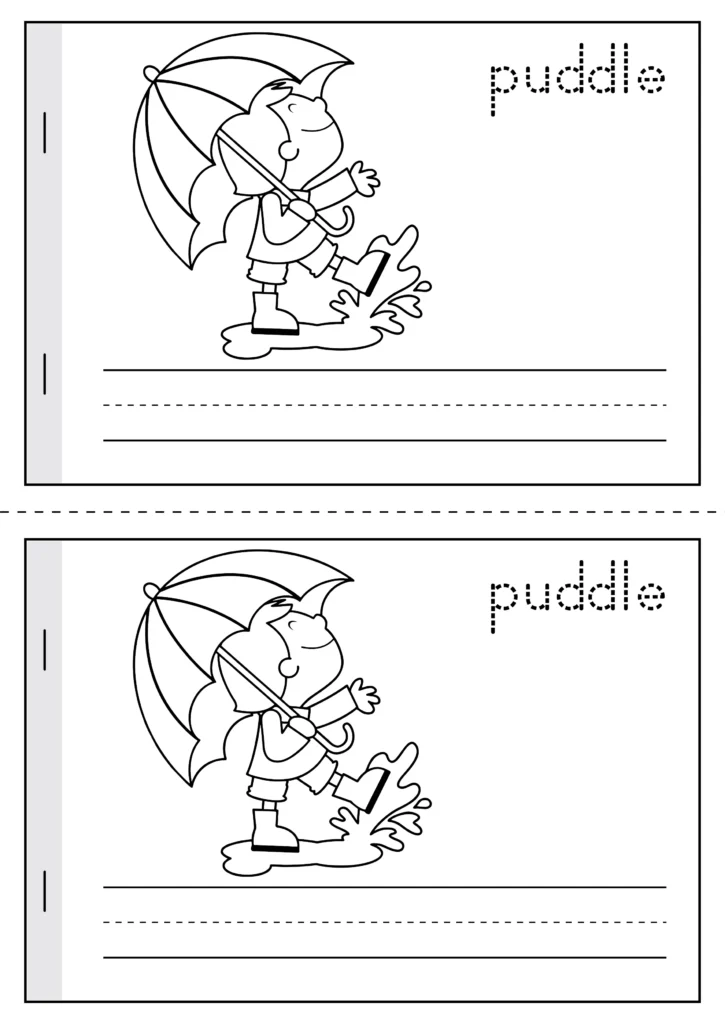
Each page in the Spring Vocabulary Booklet focuses on a single spring themed vocabulary word. The page includes a simple illustration, the focus word for tracing, and writing lines where students can write the word again.
Students begin by tracing the word. This step helps them notice the letter formation and spelling pattern of the vocabulary word.
Next, students write the word independently on the writing line. This small shift from tracing to independent writing encourages students to remember the spelling and strengthens handwriting practice.
Finally, children color the illustration. Coloring connects the word with its meaning and keeps the activity engaging for younger learners.
Some teachers also encourage students to extend the activity by writing a simple sentence using the vocabulary word.
Why Spring Vocabulary Practice Matters
Seasonal vocabulary activities help children connect language learning with real world experiences.
When students learn words such as bird, puddle, flowers, plant, robin, and grasshopper, they begin to recognize those words in stories, classroom discussions, and nature observations.
The Spring Vocabulary Booklet also supports several important early literacy skills:
- Vocabulary development
Students learn new seasonal words and connect them with images and experiences. - Handwriting practice
Tracing and writing words helps students develop proper letter formation. - Spelling awareness
Repeated exposure to vocabulary words builds spelling confidence. - Sentence writing
Students begin to use vocabulary words in short written sentences.
Because the pages follow the same predictable structure, students quickly understand what to do and can complete the activity independently during literacy centers.
Ways Teachers Use These Spring Vocabulary Activities for Kindergarten
The Spring Vocabulary Booklet can be used in many ways depending on classroom routines.
Some teachers print the pages and staple them together so each child creates their own vocabulary book. Students complete a few pages each day during literacy centers.
Other teachers use individual pages as quick writing activities during morning work or small group instruction.
The pages can also be sent home as optional writing practice so families can see the vocabulary children are learning in class.
This flexibility makes the booklet easy to incorporate into different classroom schedules.
Troubleshooting Tips
- Sometimes students focus more on coloring than writing. Encouraging children to complete the tracing and writing first helps keep the learning goal clear.
- If students struggle with spelling the vocabulary word independently, keeping the traced word visible gives them a helpful reference.
- For students who finish quickly, inviting them to write a sentence using the word provides a natural extension of the activity.
Age Group Adjustments
The Spring Vocabulary Booklet can be adapted for different levels.
- Preschool or early Kindergarten
Students trace the word and color the picture. - Kindergarten
Students trace the word and write it independently. - First grade
Students write a short sentence or even a paragraph using the vocabulary word.
These small adjustments allow the same resource to work across multiple early elementary grade levels.
Quick Classroom Checklist
Before introducing the Spring Vocabulary Booklet, it helps to prepare a few materials:
- printed booklet pages
- crayons or colored pencils
- stapler for assembling booklets
- optional word wall for spring vocabulary
Preparing these items in advance makes literacy center time run smoothly.
Spring Vocabulary Words Included
The Spring Vocabulary Booklet includes a wide range of seasonal words connected to nature, animals, weather, and gardening.
Examples include: bird, robin, nest, caterpillar, bee, snail, butterfly, grasshopper, worm, rabbit, lamb, chick, duckling, flowers, tree, grass, soil, gardening, plant, seeds, watering can, garden, sapling, sprout, bud, tulip, daffodil, rain, wind, rainbow, puddle, umbrella, rain boots, kite, picnic, and many more.
These vocabulary words help students build a strong connection between language and the spring season.
Final Thoughts
A Spring Vocabulary Booklet provides a simple but powerful way to combine vocabulary learning, handwriting practice, and early writing development.
Because the activity is predictable and easy to understand, students quickly gain confidence completing the pages independently. Over time they begin to recognize seasonal vocabulary words in books, conversations, and their everyday observations.
Adding the Spring Vocabulary Booklet to literacy centers gives students a meaningful opportunity to practice reading and writing while exploring the language of the season.
Happy Teaching! 😊
Purchase the Spring Vocabulary Booklet
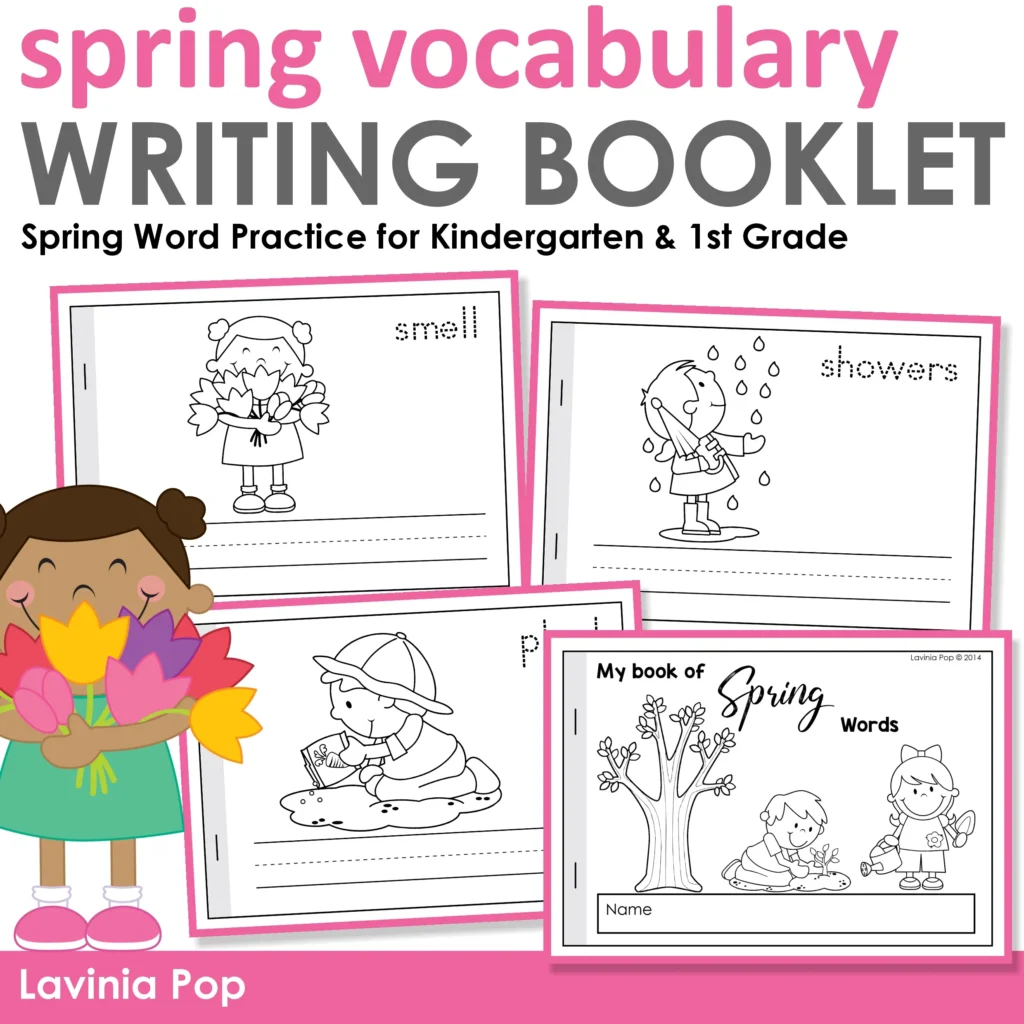
If you would like ready to use printable pages, you can find the complete Spring Vocabulary Booklet here:


You might also like…